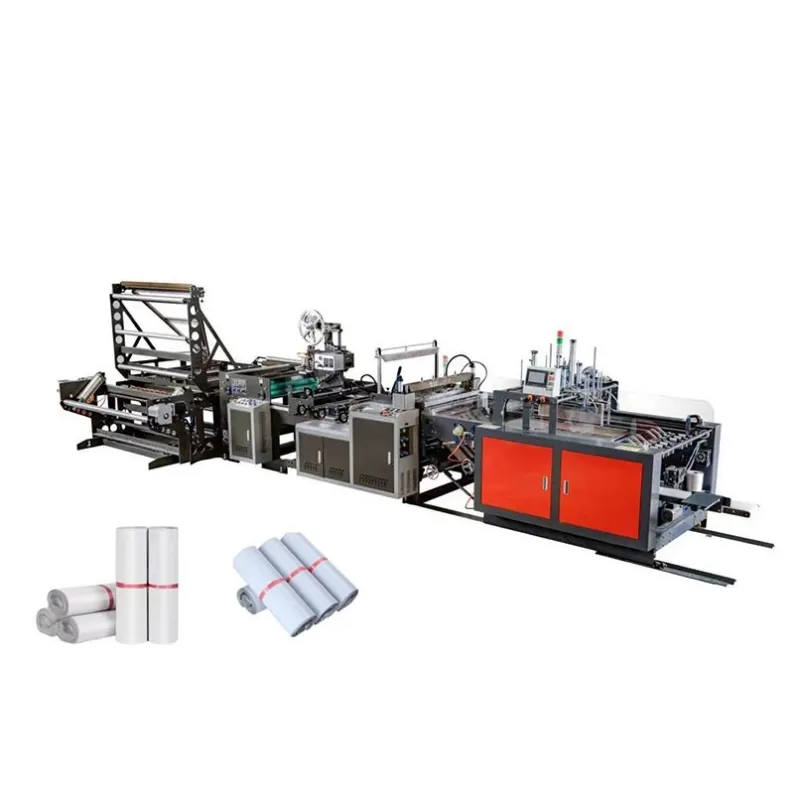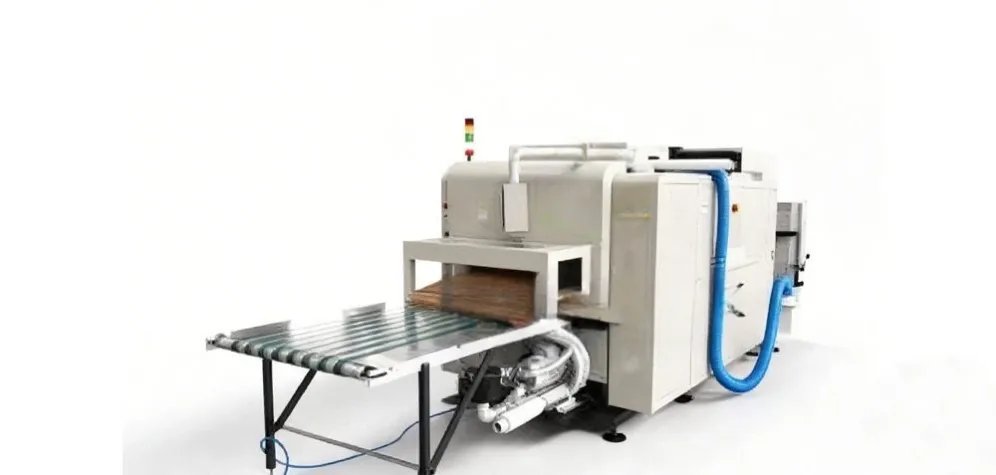
What Is a Honeycomb Mailer Machine and Why Your Business Needs It
A honeycomb mailer machine turns kraft paper into a recyclable, shock-absorbing honeycomb mailer — a plastic-free replacement for bubble wrap for fragile e-commerce goods.
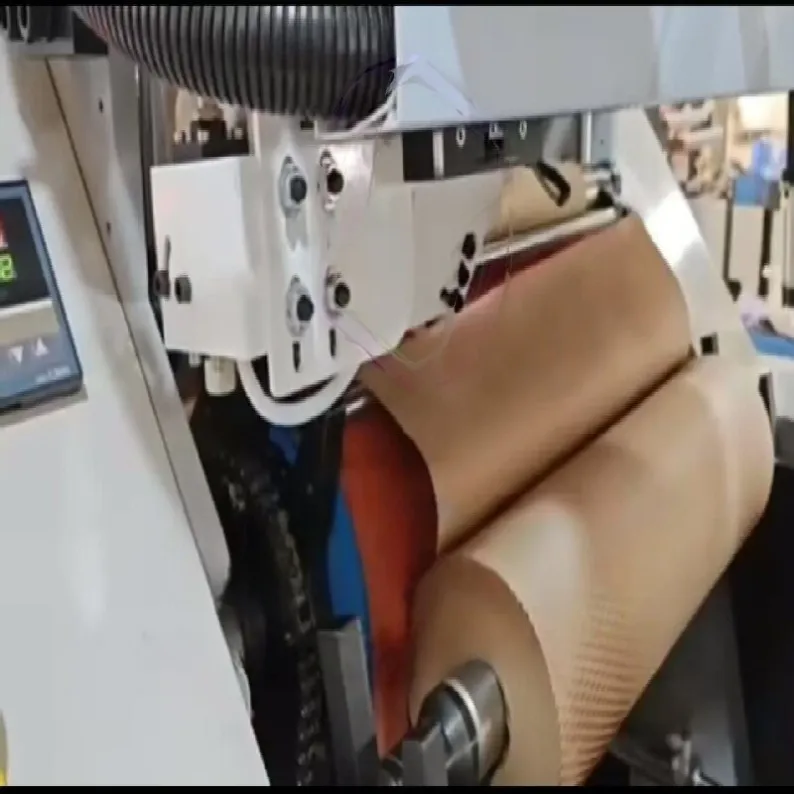
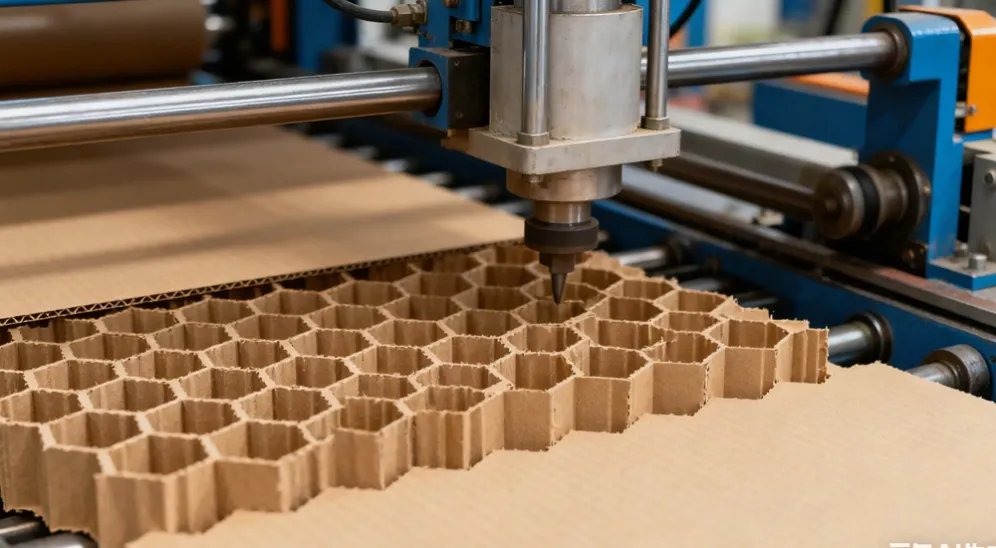
A honeycomb mailer machine makes protective paper mailers from kraft paper that has been die-cut and expanded into a three-dimensional honeycomb structure. The finished mailer cushions fragile goods without plastic bubble wrap or foam, and it is made from paper that can be recycled. For an e-commerce or fulfilment business, it is worth considering when you ship fragile, high-value or premium items in volume and want protection, a lighter parcel and a plastic-free unboxing.
What is a honeycomb mailer?
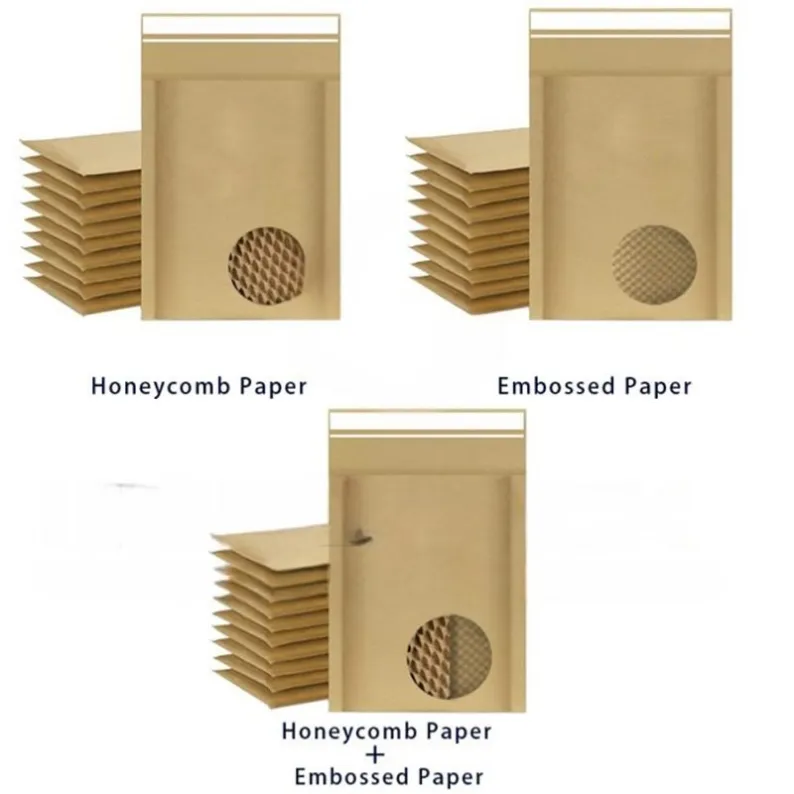
A honeycomb mailer is a paper mailer built around honeycomb paper: paper engineered into a hexagonal, honeycomb pattern that traps air in small pockets. Those air pockets are what give the mailer its cushioning. When the mailer is wrapped around a product, the honeycomb layer sits snugly against it, absorbs shocks and spreads the force of a knock or drop across the surface instead of letting it hit one point. That is why it works as a replacement for plastic bubble wrap and foam in many e-commerce parcels. The material is 100% recyclable paper and biodegradable, so the whole mailer can go into paper recycling after use, and the unboxing looks and feels like a paper product rather than plastic. For a buyer, the first question is therefore simple: does the item need that kind of distributed cushioning, or would a plain paper mailer be enough?
How a honeycomb mailer machine works
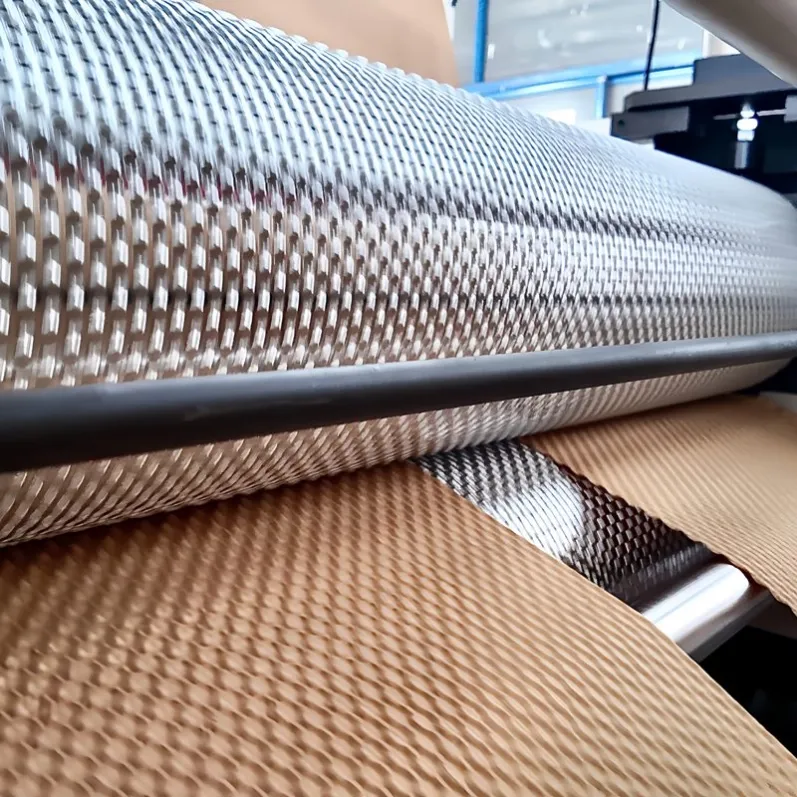
A honeycomb mailer machine starts with compressed rolls of kraft paper. The machine die-cuts the paper and expands it into the three-dimensional honeycomb structure, forming the cushioning layer that makes the mailer protective. Some machines then combine that honeycomb layer with a liner, in white or brown kraft paper, and finish the mailer so it is ready to pack. The exact configuration depends on the line: some are manual or semi-automated, while others are fully automated and built for higher volumes. In every case, the point of the machine is to turn a roll of paper into a finished, consistent mailer in one controlled process, rather than relying on hand-wrapping or separate cushioning materials. High-speed, consistent output is what lets a business meet demand without adding labour at the packing bench, and it keeps the quality of each mailer the same from the first parcel of the day to the last.
What can you ship in a honeycomb mailer?
The applications for honeycomb mailers cover four groups, and they are a useful guide to where the format earns its place. First, e-commerce and logistics: ceramics, glassware and electronics, where a single broken item means a return, a replacement and a disappointed customer. Second, precision parts: mechanical and electrical parts that need protection in transit but do not need a bulky box. Third, cosmetics and beauty: glass perfume bottles, skincare jars and beauty kits, where the parcel is also part of the brand experience and a plastic-free presentation matters. Fourth, books and creative merchandise: bookstores, publishers and online sellers shipping books, notebooks, art prints and handmade products that are flat or light but still need protection against knocks and corner damage. In each case the honeycomb layer does the same job — it holds the product snugly, absorbs shocks and protects it during handling — but the value is highest where the product is fragile, breakable or easy to damage in a plain mailer.
Why businesses choose honeycomb mailers
There are five reasons businesses move to honeycomb mailers, and they pull in the same direction. The first is sustainability: the mailer is made from 100% recyclable paper, so it supports a plastic-free packaging claim without asking the customer to do anything different at disposal. The second is protection: the honeycomb structure absorbs shocks and distributes impact, which is the core reason to choose it over a plain paper envelope. The third is space and weight: the paper is stored as compact rolls before it is expanded, so it takes up less warehouse space than pre-formed cushioning, and the finished mailer is lightweight, which helps keep shipping costs down. The fourth is brand image: a paper mailer that looks considered and premium helps a business build trust and loyalty, especially for artisanal or premium products where the unboxing is part of the purchase. The fifth is customisation: machines can be set up for different mailer sizes and paper types, so the mailer can be matched to the product range instead of forcing every product into one standard size. Together, those five points explain why the format is used for fragile goods rather than for every parcel a business sends.
Is a honeycomb mailer machine right for your business?
A honeycomb mailer machine makes sense when several of these points are true at once. Ask yourself these questions before you choose a line. Do you ship fragile or breakable items regularly, rather than occasionally? Is the cost of a broken item — the replacement, the return postage and the lost trust — high enough to justify a protective mailer? Do your volumes justify automation, or would a manual or semi-automated line be a better first step? Do you need different sizes or different paper types, for example a white kraft liner for a premium look and a brown kraft liner for a plainer, natural look? And does a plastic-free, recyclable mailer fit how you want customers to see your brand? If the answer to most of those questions is yes, a honeycomb mailer machine is a strong fit. If you ship mostly soft, unbreakable goods, a simpler single-layer paper mailer is likely to be the better buy, and you can reserve honeycomb mailers for the fragile lines in your range.
A honeycomb mailer machine is, in short, a way to make protection part of the mailer itself, rather than adding it as a separate material. It turns kraft paper into a recyclable, shock-absorbing mailer that protects fragile goods, saves space before use, keeps parcels light and presents your products without plastic. For businesses that ship ceramics, glassware, electronics, precision parts, cosmetics or books in volume, that combination is difficult to match with a plain envelope or a plastic mailer. Compare honeycomb paper machines to see the manual and automated lines available, and contact us to discuss what you ship, how fragile it is and how many parcels you send each day.