What is an Air Column Bag Making Machine and Why Choose HJ Machinery?
An air column bag making machine makes inflatable bags of separate air columns that protect fragile goods in transit. This guide explains how it works and why buyers choose HJ Machinery.
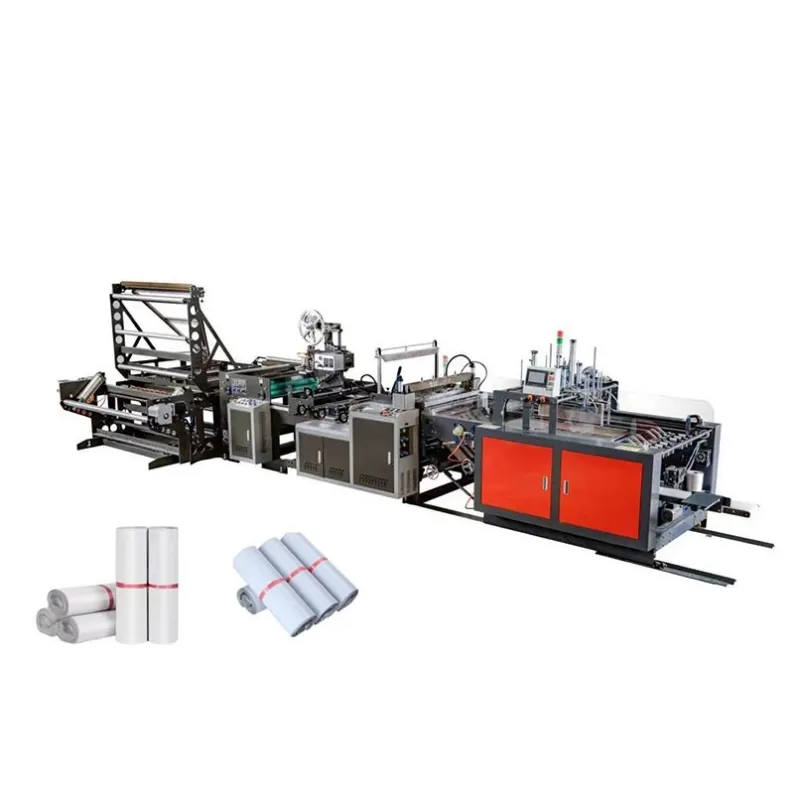
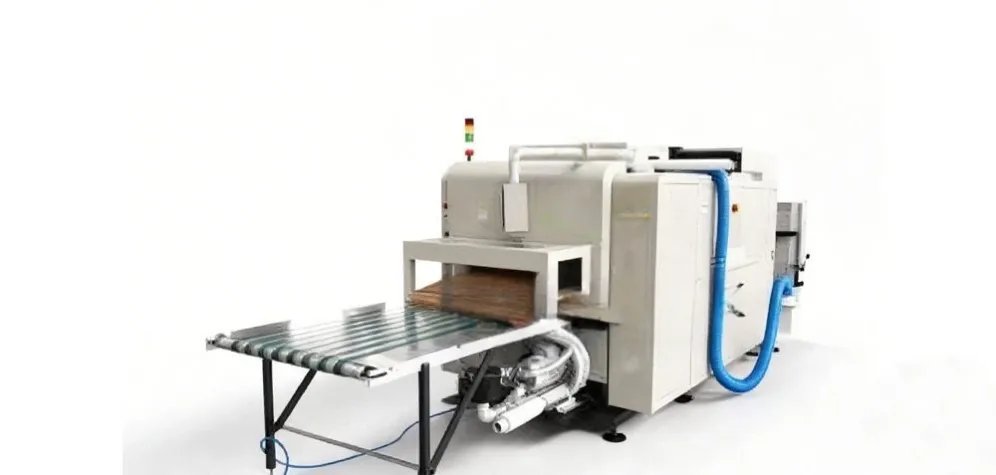
An air column bag making machine makes air column bags: inflatable bags divided into separate air columns or tubes that absorb shock and hold a product still in transit. It feeds film, inflates the columns, heat-seals them and cuts the bags to size, producing a protective bag that is far stronger than a single air cushion. For businesses shipping bottles, glassware, electronics and other fragile goods, it is the most reliable way to cut transit damage, and HJ Machinery builds these machines with the support to match.
What Is an Air Column Bag?
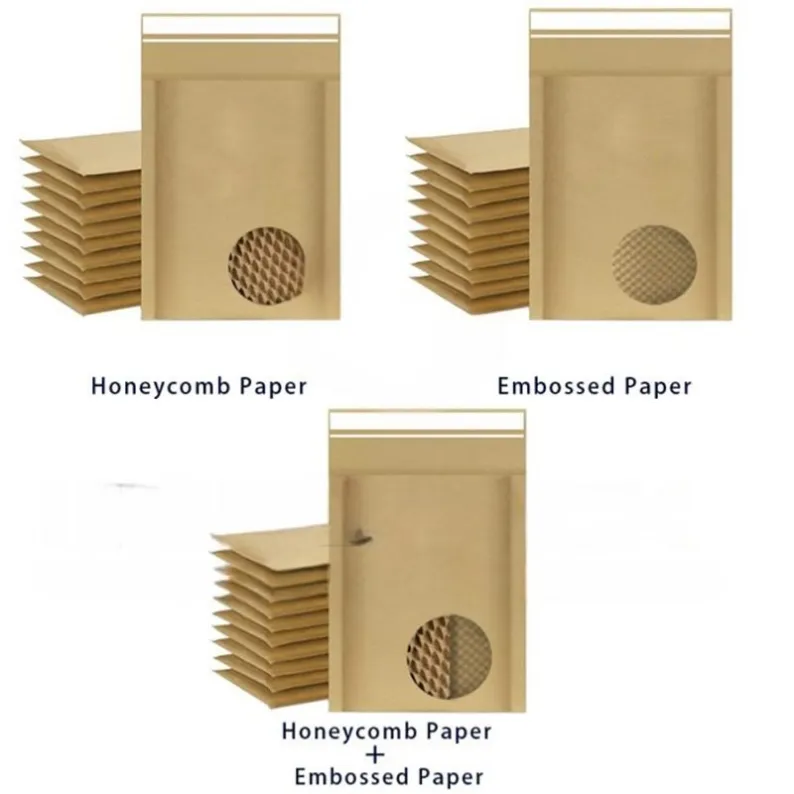
An air column bag is an inflatable protective bag made of rows of separate air columns, or tubes, each filled with air and sealed off from the next. The columns wrap around the product and hold it in place, so it cannot move inside the carton. Because each column is independent, the bag keeps protecting the product even if one column is damaged, and the columns together spread an impact across the whole bag instead of letting it reach the product at a single point. That is the difference between an air column bag and a single-chamber air cushion: one holds the product in a cage of air, the other is a single pocket that can go flat.
How an Air Column Bag Making Machine Works
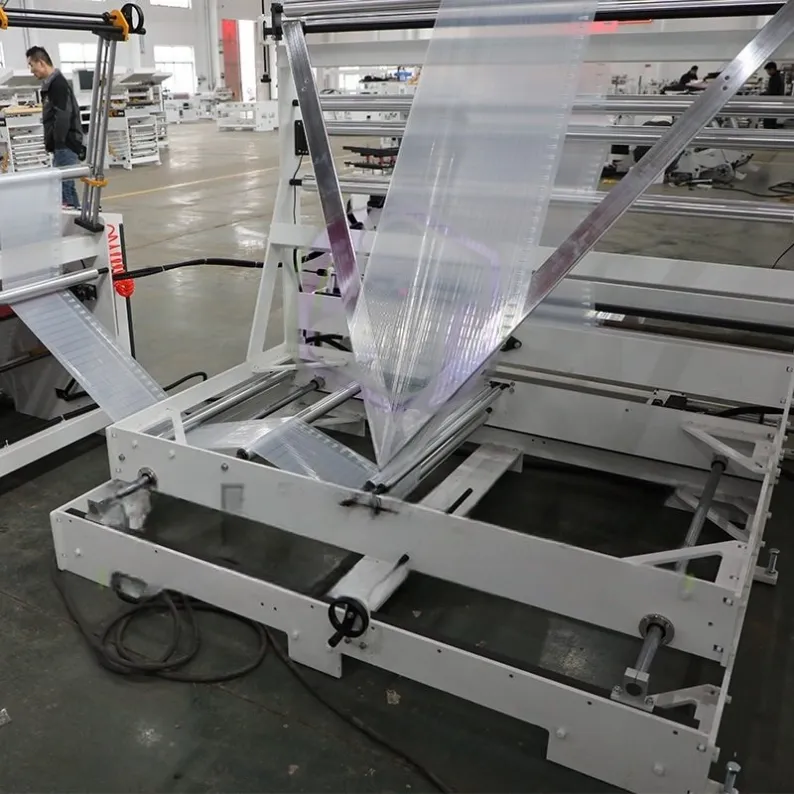
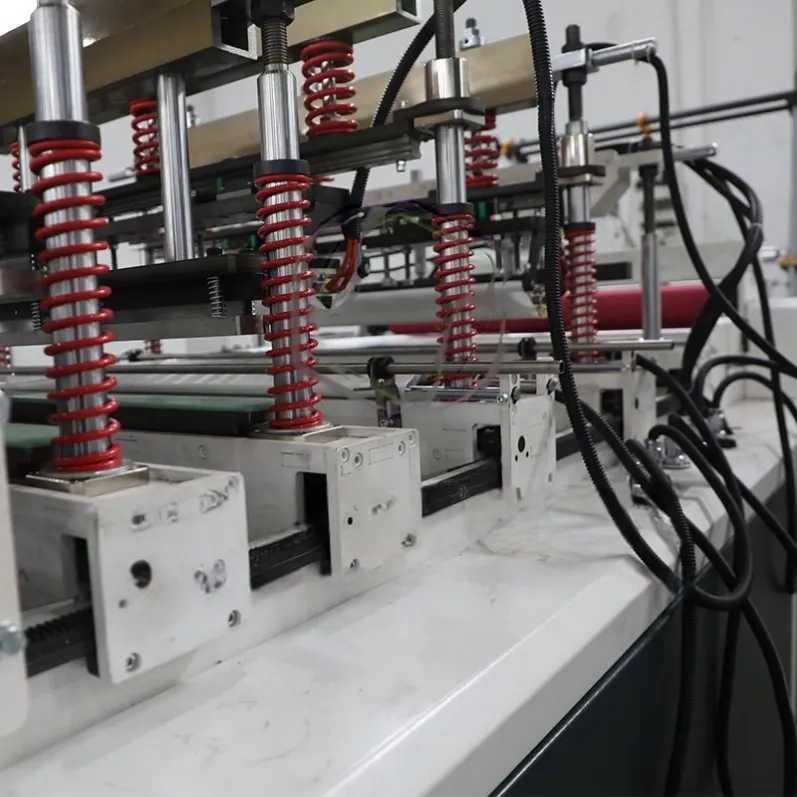
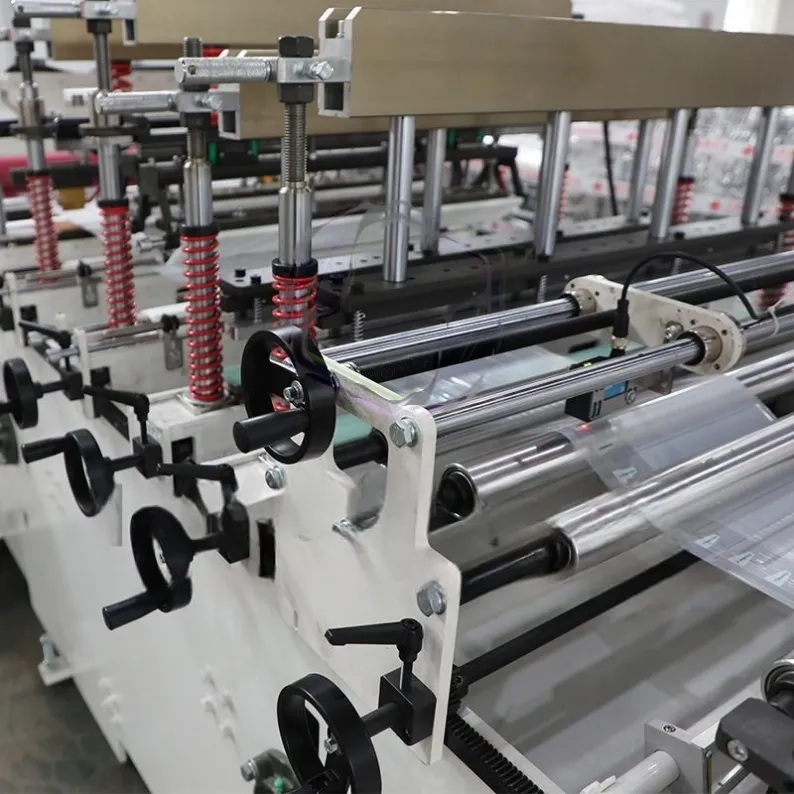
The machine turns a roll of film into finished air column bags in a continuous process. Film is fed from a roll into the machine, inflated to form the columns, heat-sealed into separate airtight chambers, and cut into bags of the required size. The bags are then stacked or rewound, ready for the packing line.
- Film feeding. A roll of film is loaded and fed through the machine. The machine works with films such as PE and nylon, so the film can be matched to the product and the protection level it needs.
- Inflation. The film is inflated to form the air columns. The amount of air in each column can be set so the bag is firm enough to protect the product without being so hard that it adds bulk.
- Heat sealing. Heated sealing bars divide the film into separate air columns and close the bag. A stable, consistent seal is essential, because the columns only protect the product while they hold air.
- Cutting. The machine cuts the film into bags of the required size, so each product gets a bag that fits it, with no excess material.
- Collection. Finished bags are stacked or rewound for storage and use at the packing bench, ready for the packer to take and inflate, or to use as made.
Controls run the whole line from one panel: the operator sets column width, bag size and sealing, and the machine holds those settings across a long run. Stable, continuous production is what buyers should judge a machine on, since a line that stops and starts produces weak seals and wasted film.
Why Air Column Bags Protect Better
Air column bags protect better than other inflatable packaging for five reasons. First, superior protection: the multiple columns absorb and spread impact, and hold the product still, so it cannot hit the side of the carton. Second, cost efficiency: making bags in-house, on demand, costs less per bag than buying pre-made protective packaging, and there is no stock of finished bags to store or run out of. Third, space saving: the bags store flat and light, and take up little room until they are inflated at the packing bench, so a warehouse stores film rolls rather than a warehouse full of packaging. Fourth, they are eco-friendly: the bags are made from recyclable materials, and making them on demand cuts packaging waste. Fifth, they are professional and consistent: every bag is the same, so every product gets the same protection, and the parcel looks as good as it is protected.
Where Air Column Bags Are Used
Air column bags are used wherever fragile goods are shipped. Electronics manufacturers pack components and devices in them. Glassware and ceramics, including wine bottles, travel in them, since a single break can mean a lost sale and a costly return. Home appliance makers protect coffee machines, blenders and toasters. E-commerce and fulfilment centres use them across many different products, because one machine and a few film types can cover a whole warehouse of orders. Auto parts suppliers use them for parts that are heavy, awkwardly shaped, or easily scratched in transit.
Why Choose HJ Machinery?
HJ Machinery is a trusted name in packaging machinery, and its air column bag making machines are built for the work they will do every day: stable production, precise sealing, and simple operation. Machines can be configured for the bag sizes and films a buyer actually uses, rather than a standard size that almost fits. Installation and maintenance support is part of the package, so the machine is running properly from the first day and stays running, and after-sales service is there when it is needed. For a buyer, that support matters as much as the machine itself, because a packing line stops when the bag machine stops.
How to Choose the Right Machine
Start with the products. List what you ship, how large and how fragile each item is, and match the column width and bag size to it: wide columns for heavy items, narrower columns for small, delicate ones. Check the film types your products need, and estimate your daily volume, so you know whether a compact machine or a fully automatic, continuous-running model is right. Ask the supplier for a custom configuration and for the support that comes with it, and where possible, test the machine with your actual products, so you can see the seal quality and the fit before you commit.
Conclusion
An air column bag making machine turns a roll of film into a bag of separate air columns that holds a fragile product still and absorbs the shocks of transit. Choose the column width and bag size for your products, and judge the machine on stable production, sealing quality and the support behind it. Explore Hangjia Machinery's air column machines to compare models for your products, or contact us with your product sizes and daily volume, and we will help you choose the right configuration.