What Is Paper Packaging? Definition, Characteristics, and Industrial Applications
Paper packaging explained: what it is, how kraft, paperboard and corrugated formats differ, and where each one is used in industry.
Paper packaging is everywhere — the mailer your order arrives in, the box it was packed in, the cushioning that kept it safe. It is easy to take for granted, but it is a deliberate engineering choice, and the type of paper you choose changes what the packaging can do. This guide explains the definition, the main formats, and where each one earns its place.
What Paper Packaging Means
Paper packaging is packaging made mainly from paper or paperboard, formed from wood fibre, recycled fibre or a mix of both. It ranges from a single sheet of kraft paper to multi-wall corrugated board, and it can be printed, coated, laminated or combined with other paper layers to add strength or moisture resistance.
Its appeal comes from a simple combination: it is renewable, widely recyclable, light for its strength, and easy to print on. That is why it is now the default for a large share of e-commerce, retail and food packaging.
The Three Main Formats
Kraft paper is the workhorse. Made from unbleached wood pulp, it is strong, tear-resistant and naturally brown, though it can be bleached white. It is the material behind paper mailers, shopping bags and wrapping paper, and it runs well on mailer-making machines at 60 to 160 gsm.
Paperboard is thicker and stiffer, used for folding cartons, sleeves and rigid boxes — the cartons that hold cereal, cosmetics and small electronics. It takes high-quality print, so it is the format brands choose when the pack itself is part of the product presentation.
Corrugated board is the heavyweight: a fluted layer sandwiched between liner sheets. It gives shipping boxes their stacking strength and cushioning, and it is the standard for anything that travels by courier or pallet.
Key Characteristics
Paper packaging is recyclable through curbside paper streams, and much of it is made from certified or recycled fibre. It is lighter than most rigid alternatives, which cuts shipping weight and cost. It prints cleanly, so branding, instructions and handling marks can be applied in line. And it is safe for direct contact with many foods, with no plastic film to separate at disposal.
Its limits matter too. Uncoated paper is sensitive to moisture, and it is not the right choice for liquids or for products that need a long shelf life without a barrier. Choosing the right grade and coating for the job is part of the specification, not an afterthought.
Where It Is Used
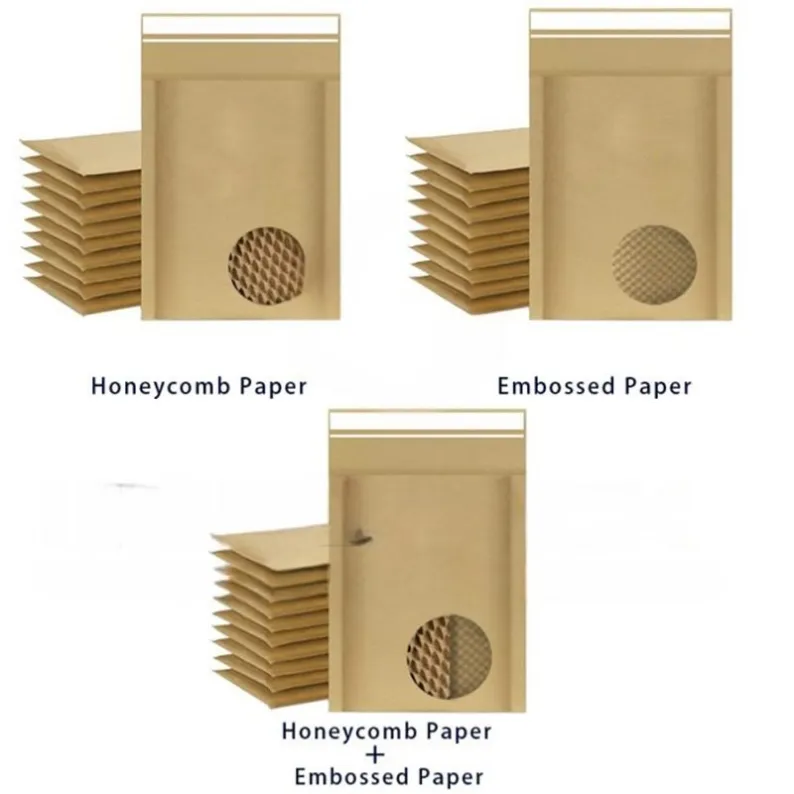
In e-commerce, kraft mailers and corrugated padded mailers carry apparel, books, accessories and small electronics, replacing plastic mailers and oversized boxes. In food and beverage, paperboard cartons and kraft bags pack dry goods, takeaway and bakery items. In retail, paper bags and folding cartons carry the brand into the customer's hands. In pharmaceuticals and cosmetics, printed paperboard gives tamper-evident, well-labelled packs. In industry, corrugated board and paper void fill protect heavier or irregular items in transit.
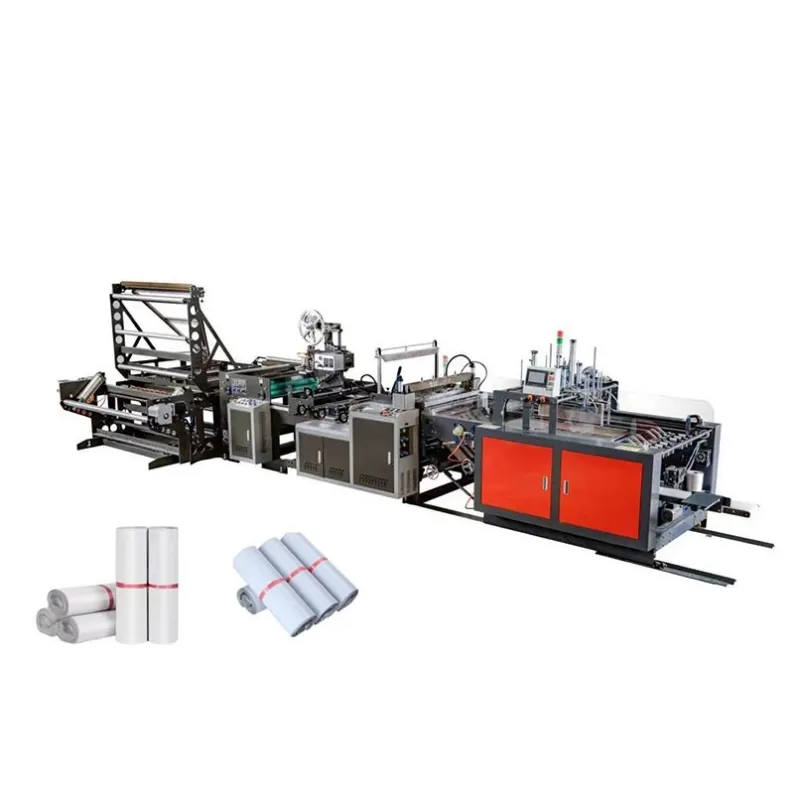
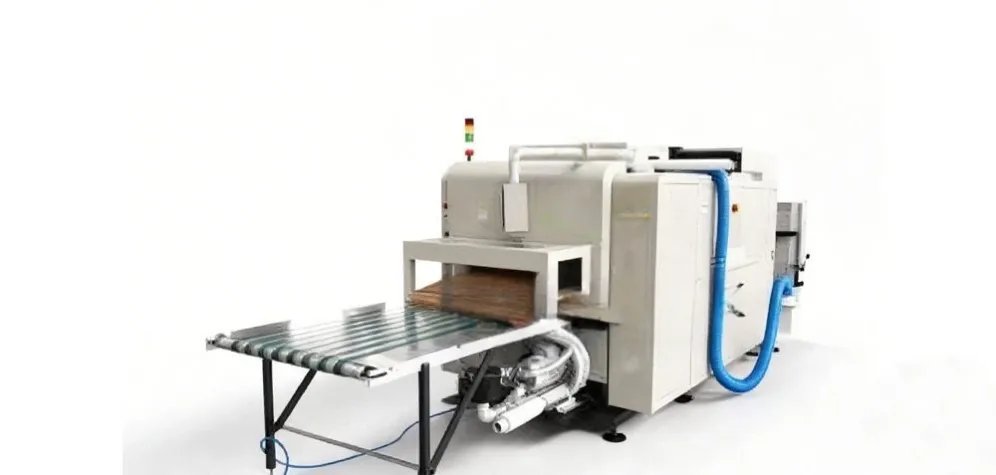
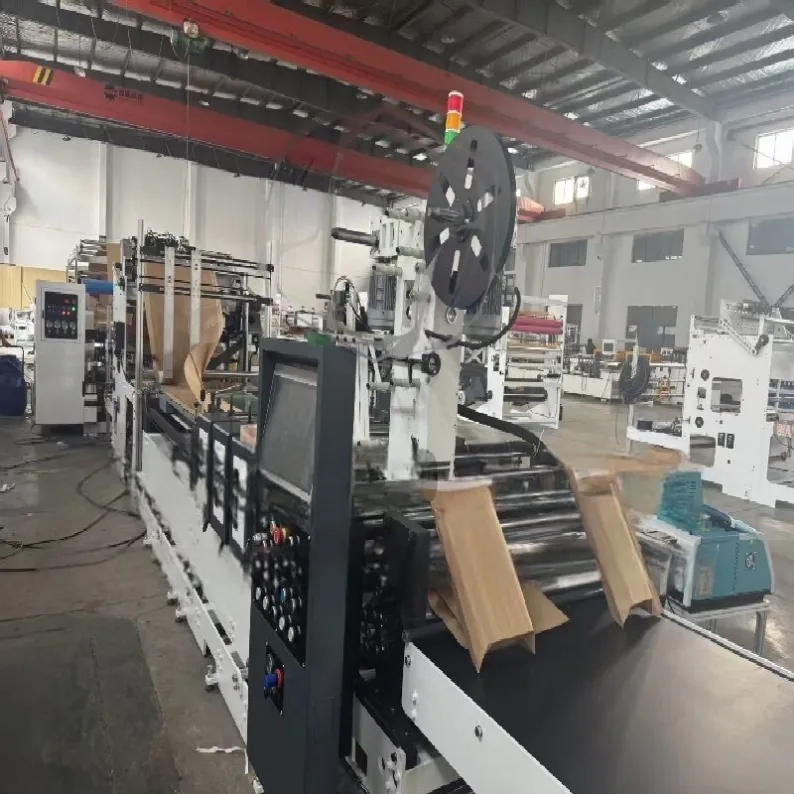
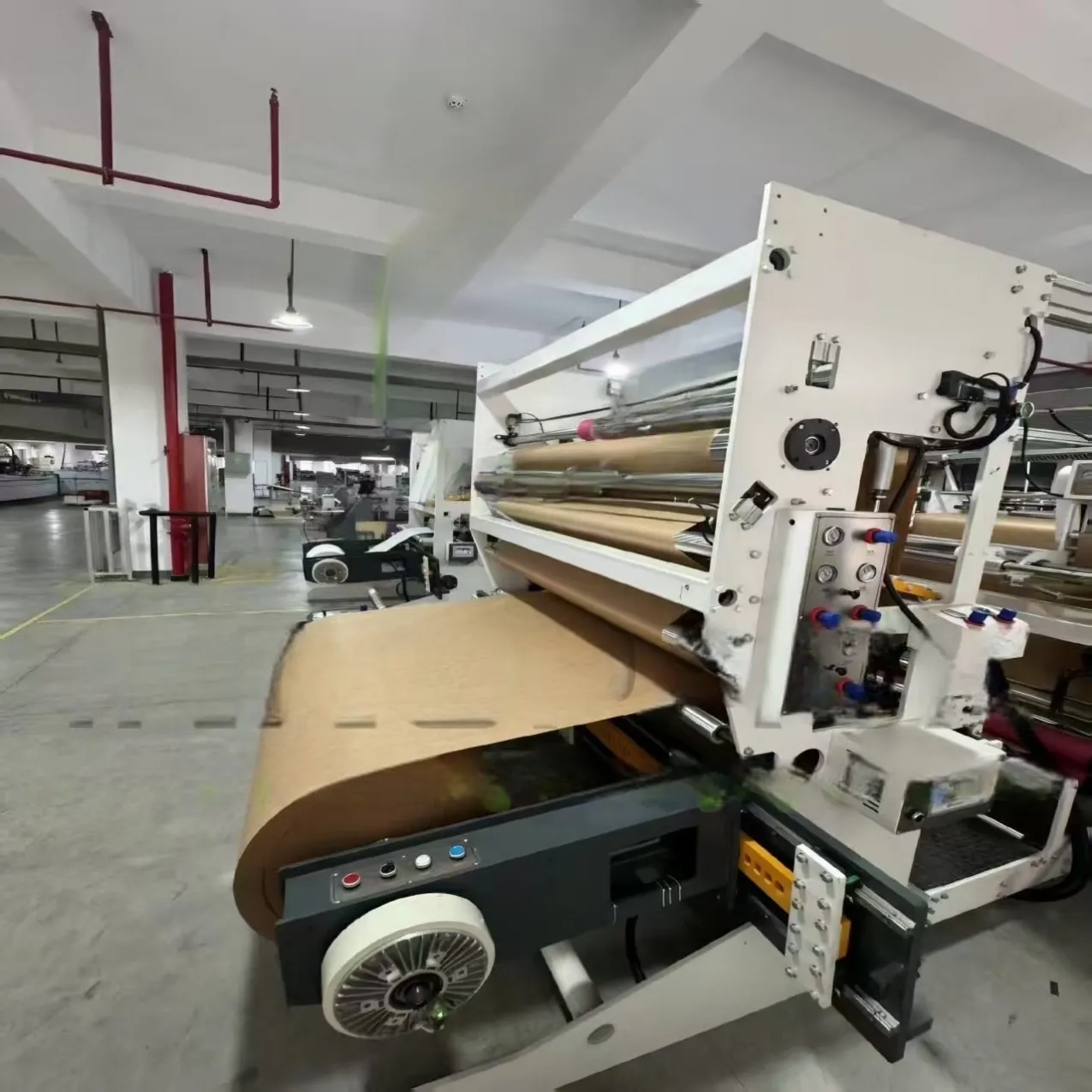
Machines make all of this possible at scale. Corrugated padded mailer machines add a protective paper lining to a kraft outer, while single-layer kraft mailer machines produce light, fast mailers for soft goods. One line can often serve several of these applications by changing the paper grade and the format.
Why Businesses Are Switching
The reasons stack up: lower environmental impact and easier recycling, a better unboxing experience that customers notice, straightforward compliance with plastic-reduction rules, and — at volume — competitive costs. Paper packaging also gives brands a printable surface that plastic mailers cannot match, turning the parcel into a marketing channel.
Frequently Asked Questions
Is all paper packaging recyclable? Most uncoated and unlaminated formats are; check coatings and tapes before claiming it. Is it strong enough for shipping? Corrugated board and padded kraft mailers handle most e-commerce goods well. Does it cost more than plastic? Per unit it can be similar, and right-sizing often makes the total shipment cheaper.
If you want to see which format fits your products, browse the Mailer & Envelope Machines range or contact Hangjia Machinery to discuss paper grades, volumes and pack sizes.