What Is the Brown Crinkled Paper in Packages? Uses, Benefits, and Eco Alternatives
That brown crinkled paper in your parcel is kraft shred. What it is, how to use it well, and the cleaner alternatives that protect better with less material.
Open almost any carefully packed parcel and you will find it: brown paper, cut into thin crinkled strips, tucked around the product. It looks simple, almost old-fashioned, yet it does a serious job. Here is what that paper is, why packers use it, and when a different paper format protects better.
What Is Crinkled Kraft Paper?
The brown crinkled paper in packages is usually crinkle-cut kraft shred — kraft paper cut into narrow strips and crimped so it springs back when compressed. It is made from the same unbleached wood fibre as kraft mailers and paper bags, and it is normally uncoated and unprinted, which is why it can go straight into the paper recycling stream.
It is different from tissue paper, which is thinner and mostly decorative, and from shredded office paper, which is not made for the job. Kraft shred is cut to a consistent width, usually a few millimetres, so it packs evenly and does not collapse under the weight of the product.
What It Is Used For
Its main job is void fill: filling the empty space in a box so the product cannot move around in transit. It also cushions fragile items, separates products that might scratch each other, and finishes a parcel so it looks considered when the customer opens it — a small detail that matters for gifts and premium goods.
It works best for light to medium items: cosmetics, candles, ceramics, bottles, apparel accessories and subscription boxes. For heavy items, it needs to be packed densely, or a stronger format is a better choice.
The Benefits
Kraft shred protects by volume rather than by weight, so a little goes a long way. It is recyclable and compostable in most areas, it is made from renewable fibre, and it can be supplied in natural brown or in dyed colours to match a brand. Customers can reuse it or recycle it without separating films or tapes, and it gives an unboxing a warm, handmade feel that plastic void fill cannot match.
It also stores well. Unlike air pillows, which need a machine and take up space when inflated, kraft shred arrives ready to use and can be topped up by hand on any packing bench.
How to Use It Well
Use enough of it. The most common mistake is a thin layer at the bottom of the box and nothing around the sides. Line the base, place the product in the middle, and fill all four sides so the item is held still. For fragile goods, wrap the item first, then surround it. Close the box and shake it gently — if you can hear movement, add more.
Keep it dry. Kraft shred loses strength when wet, so it is not the choice for goods that travel through damp conditions without an outer barrier.
Eco Alternatives That Protect Better
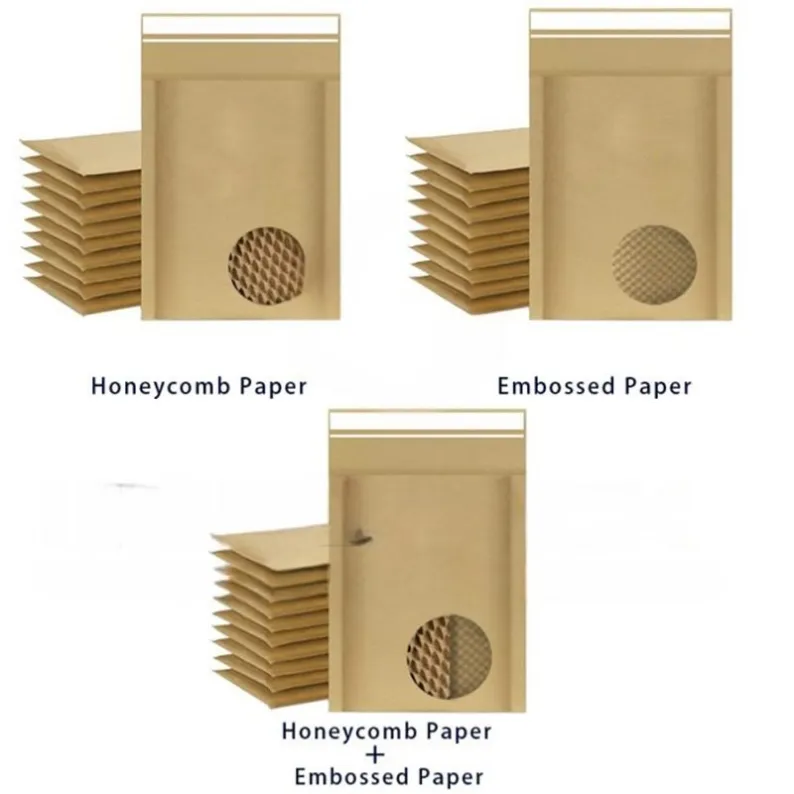
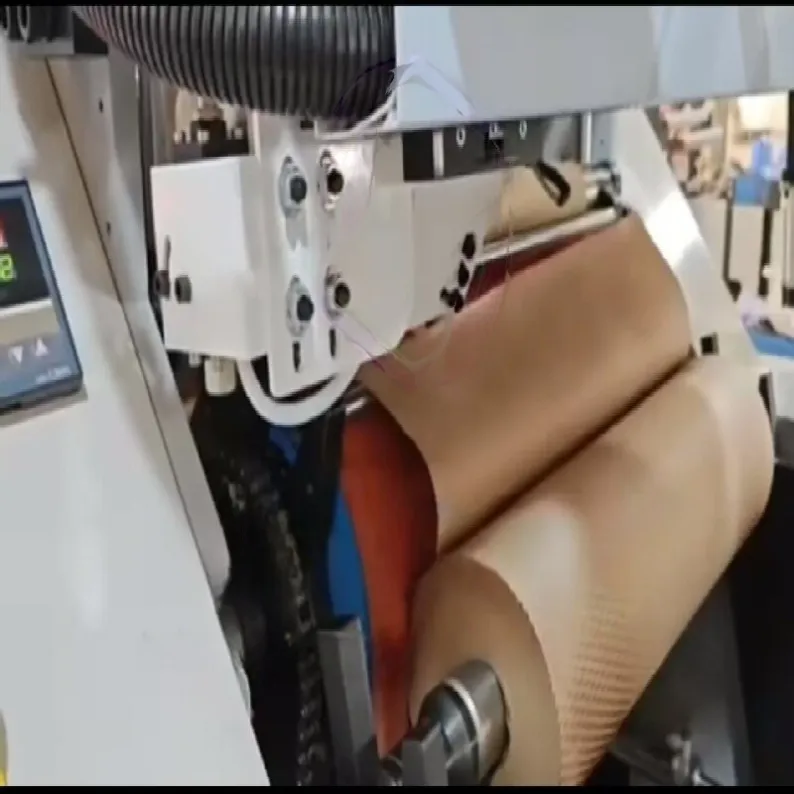
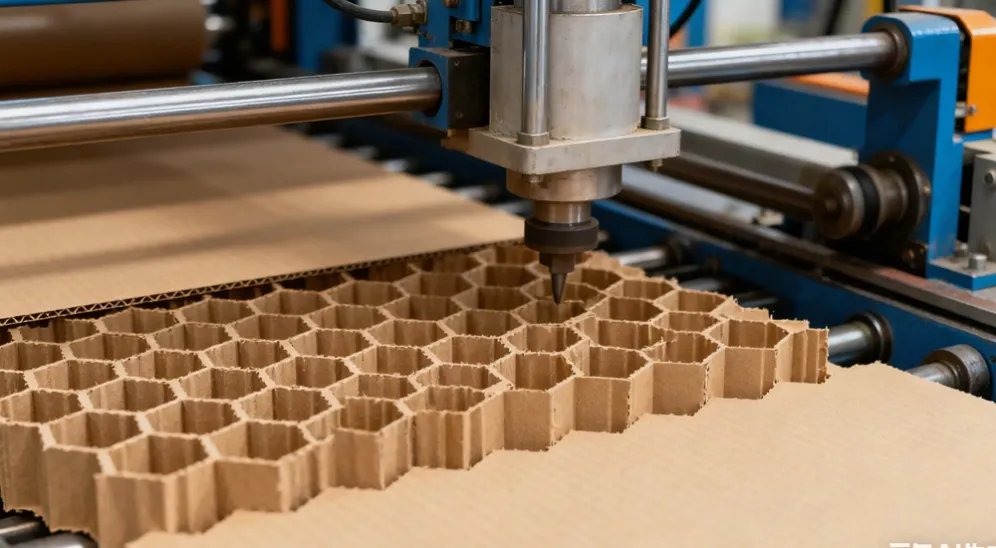
For many operations, honeycomb paper is the upgrade. It is kraft paper die-cut into a hexagonal web that expands when pulled, wrapping the product in a paper cushion that uses far less material than loose shred for the same protection. It is neater to pack with, easier to recycle, and it looks better in the box.
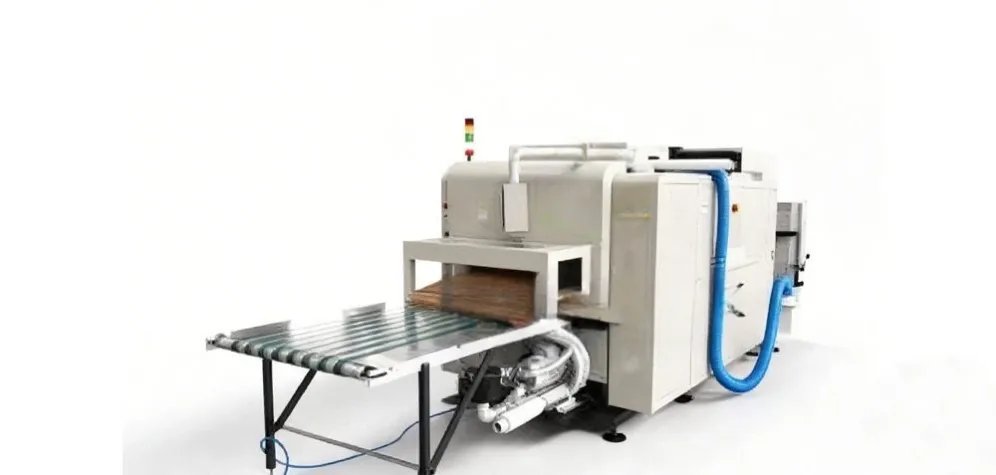
Other options include paper void fill made on a machine, which produces crumpled paper pads at speed, and corrugated paper padding for heavier items. Tissue paper suits light, decorative wrapping, while paper tape can replace plastic tape on the outside of the box.
Disposal and Recycling
Uncoated kraft shred can be recycled with paper and card, and it breaks down in composting. Remove any tape, labels or non-paper items first, and check local rules if the shred is dyed or printed — most plain and lightly dyed shred is accepted, but heavily printed shred may not be.
Frequently Asked Questions
Is brown crinkled paper the same as shredded cardboard? No — it is cut from kraft paper to a consistent size for cushioning. Can it be reused? Yes, if it is clean and dry. What protects best for fragile items? Honeycomb paper or padded kraft mailers usually outperform loose shred, using less material for the same result.
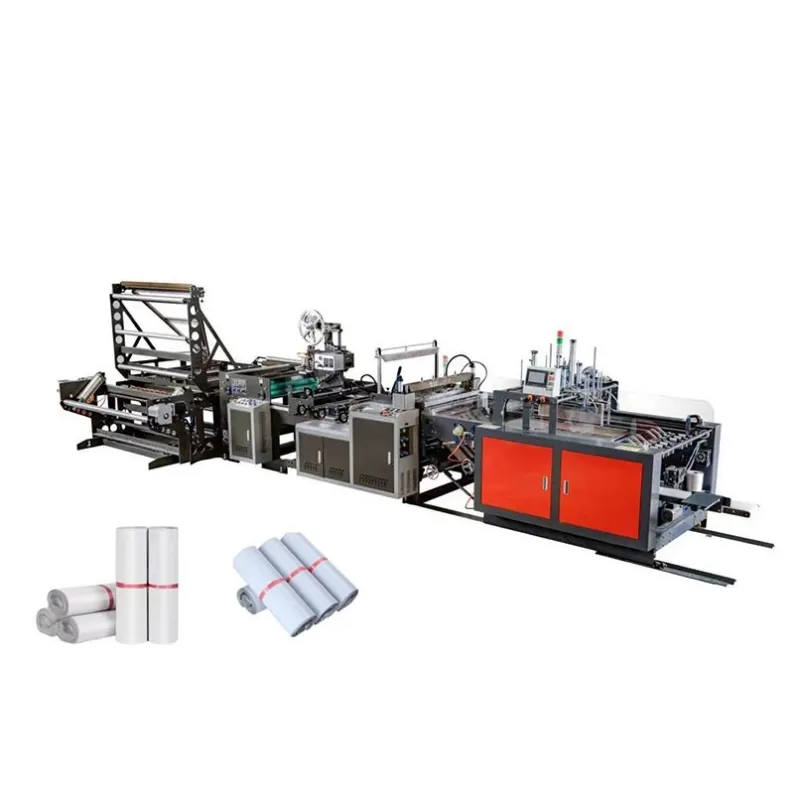
If you want to move from loose fill to a faster, neater paper system, browse the Mailer & Envelope Machines range or contact Hangjia Machinery to discuss honeycomb and void-fill options for your products.