What Packages or Products Can Be Made from Recycled Paper?
Recycled paper becomes cardboard boxes, paperboard packaging, tissue products and many other everyday items. This guide lists what recycled paper becomes — and the machines that make it.
Recycled paper becomes cardboard boxes, paperboard packaging, tissue products and many other everyday items — and, with the right machinery, it becomes the packaging your customers actually ship in. The short answer: almost any paper product can be made from recycled fibre, from shipping boxes and mailers to tissue, office paper and greeting cards. This guide lists what recycled paper becomes, where it works best in packaging, and what to check before you buy the machine that makes it.
The Short Answer: What Recycled Paper Becomes
Recycling paper reduces waste and provides an environmentally friendly way to create new and useful products. Recycled paper fibres are repurposed into a wide range of goods — from packaging to household items — that support sustainability and reduce the demand for virgin wood pulp. With advances in paper packaging machinery, these products can be manufactured more efficiently, helping industries adopt greener practices while maintaining quality. If you are buying packaging, the question is not whether recycled paper can do the job — it is which recycled-paper product fits your use, and which machine makes it.
Everyday Products from Recycled Paper
Four product families cover most of what recycled paper becomes outside packaging.
- Cardboard and paperboard: cardboard makes sturdy shipping boxes, while lighter paperboard suits cereal boxes, cosmetic packaging and other retail products — durable, cost-effective and sustainable.
- Tissue products: toilet paper, paper towels, napkins and facial tissues. These everyday essentials need large volumes of fibre, so recycled paper is an excellent resource for their production.
- Office and writing paper: recycled fibres are processed into paper for printing, copying and writing, reducing the need for fresh pulp while keeping quality for everyday tasks. Offices that choose recycled paper contribute directly to reducing environmental impact.
- Greeting cards: greeting cards and other decorative paper products are often made from recycled fibres — aesthetically pleasing, meaningful and eco-conscious, popular with environmentally aware consumers.
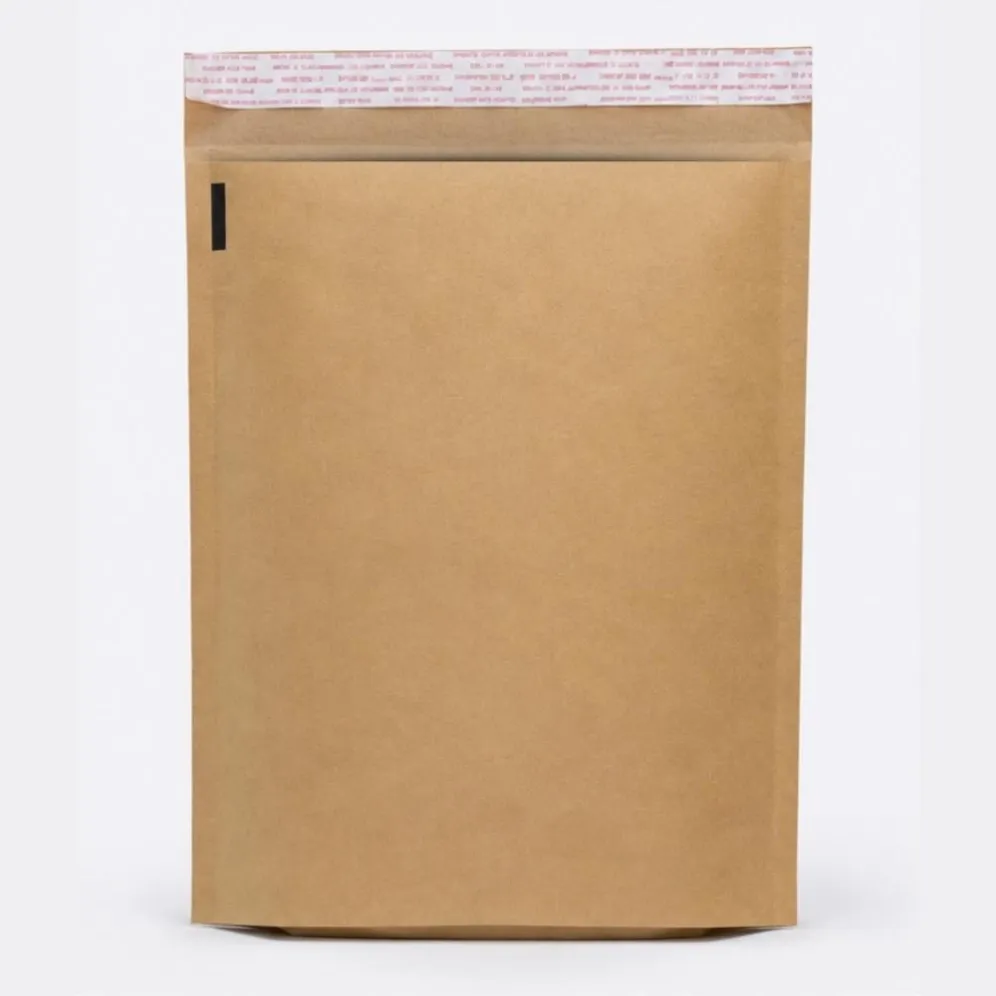
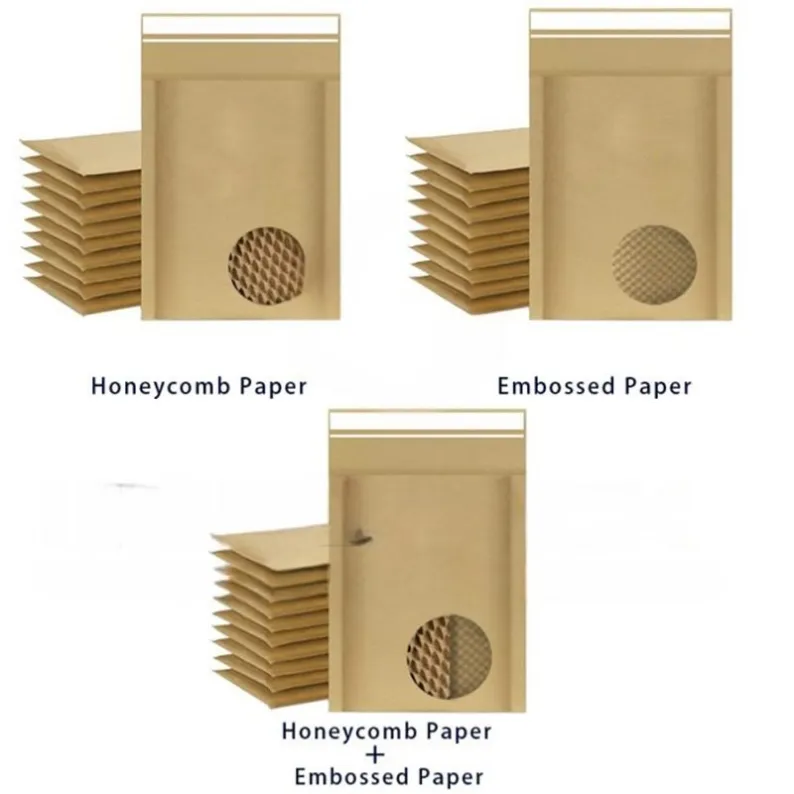
A kraft paper mailer bag — one of the most common products made from recycled kraft paper.
Packaging Applications
Inside packaging, recycled paper shows up in four forms.
- Corrugated cardboard: made from multiple layers of paper pulp, it is a staple of shipping and logistics; its strength suits transporting and protecting goods, and recycled fibres minimise resource consumption without sacrificing performance.
- Paperboard packaging: lighter and thinner than corrugated cardboard, for food, cosmetics and consumer goods; its smooth surface is excellent for printing and branding.
- Dunnage and cushioning materials: recycled paper is shredded or moulded into cushioning that protects products during shipping — moulded pulp trays, crumpled paper inserts or filler materials that replace plastic foam packaging.
- Shredded and crinkle paper: versatile packaging fillers for shipping and retail displays, providing cushioning and an attractive presentation for gift packaging and retail products.
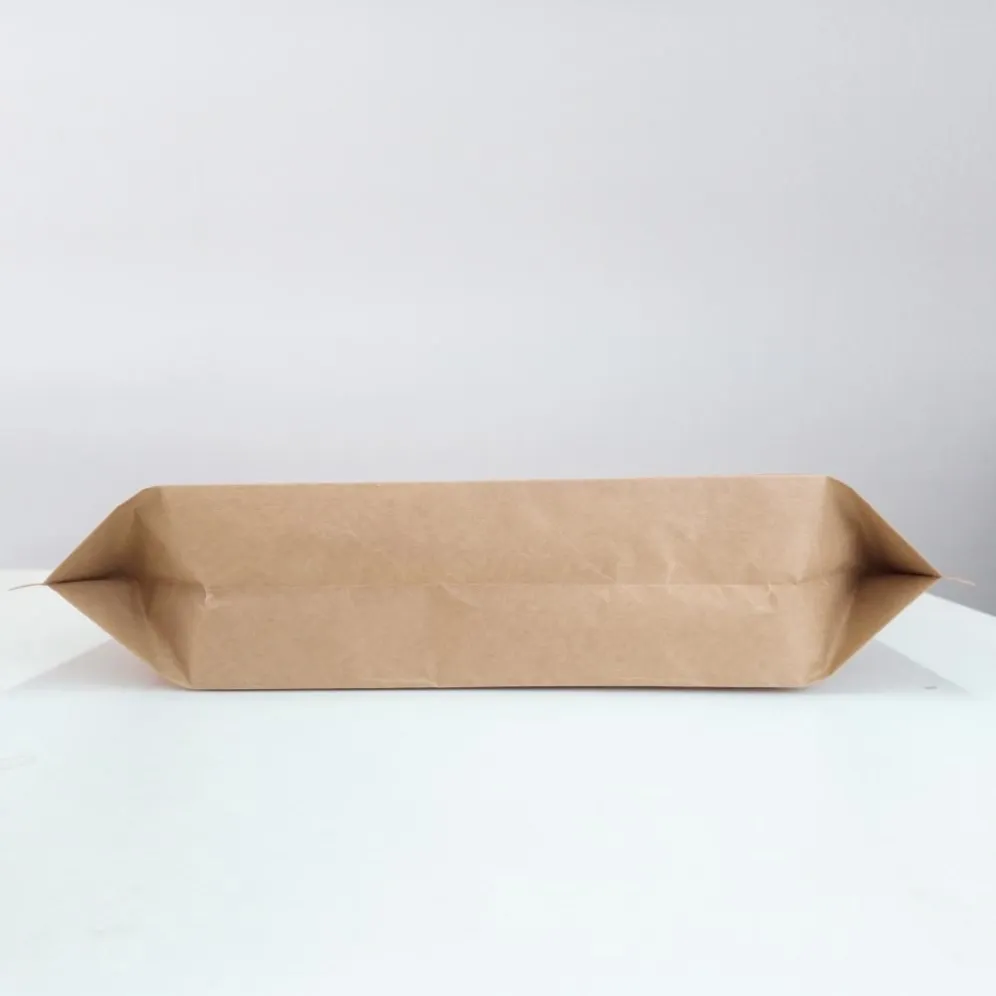
A kraft paper pouch — paperboard and kraft formats like this carry lighter retail products.
Why Recycled Paper Works for Packaging
- Sustainability: recycling paper reduces reliance on virgin wood pulp, conserving forests and natural ecosystems.
- Lower carbon footprint: processing recycled fibres generates fewer CO2 emissions than producing new pulp.
- Biodegradability: recycled paper products are eco-friendly and biodegradable, making disposal less harmful to the environment.
- Cost efficiency: manufacturing with recycled fibres can be more affordable by reducing raw material costs and energy usage.
These four benefits are the reason buyers ask for recycled content — and the reason to check the claim: ask for the recycled-fibre share of the exact grade you buy, and for the certificates that back it.
How Paper Packaging Machinery Turns Fibre into Product
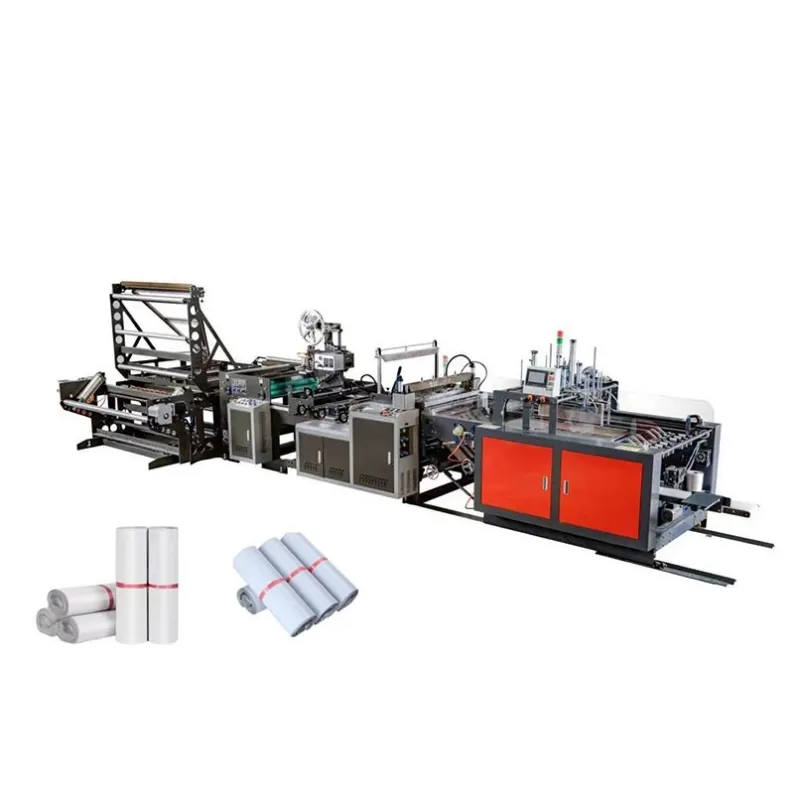
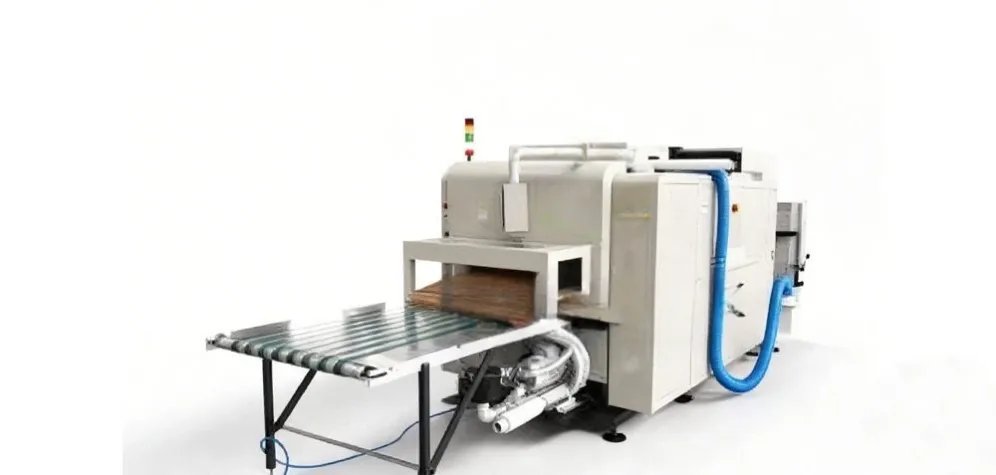
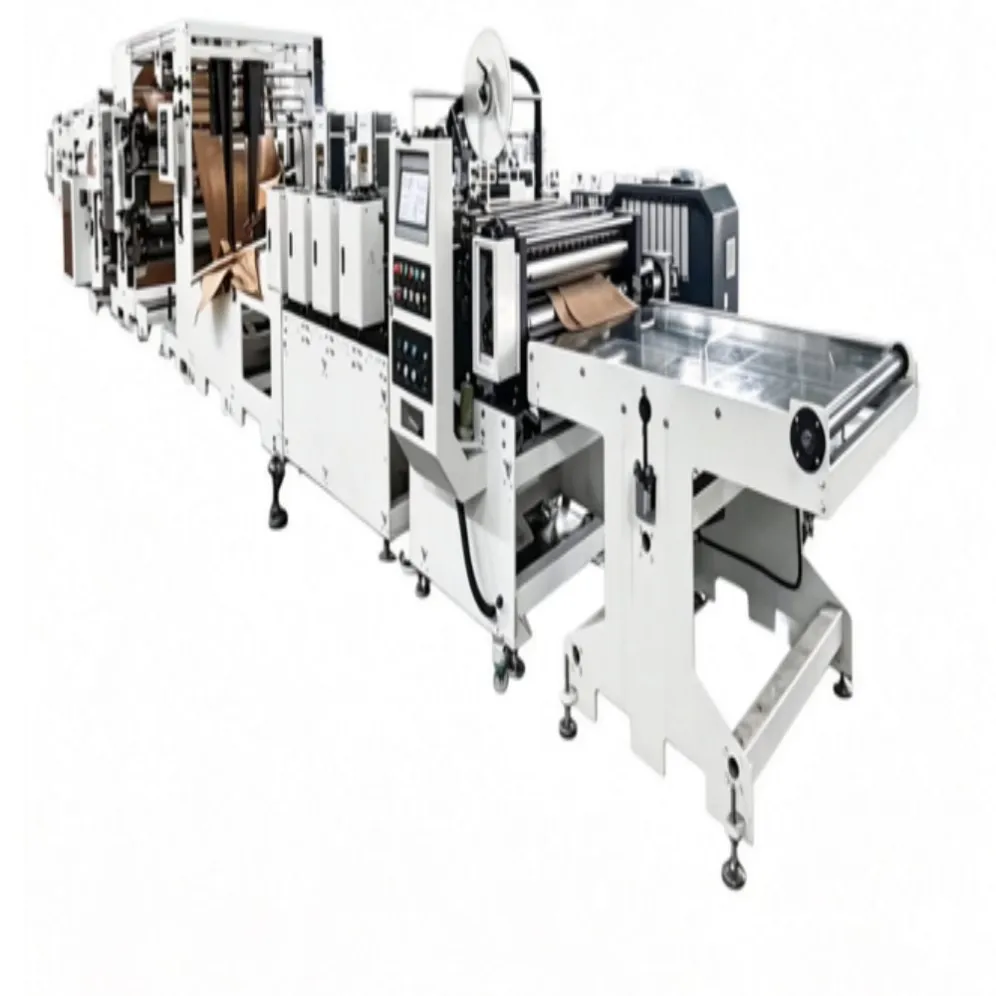
To meet growing demand for eco-friendly products, industries rely on automation. Advanced paper packaging machinery converts recycled fibres into finished goods such as boxes, cartons and envelopes, streamlining the process from cutting and folding to gluing and stacking, and saving time and labour. The machinery is designed to maximise efficiency while maintaining precision and durability — and by integrating recycled paper into production, companies can lower costs and meet environmental goals without compromising on quality.
That is the buying logic in one sentence: the machine does not change what recycled paper is; it changes how fast, how consistently and how cheaply it becomes a finished product.
Before You Buy: What to Check
Use these four checks when you compare machines — they come straight from the facts above.
- Match the product to the machine: boxes, cartons and envelopes need different lines — confirm the machine runs your product and your recycled grade before you commit.
- Confirm the recycled grade: ask for the fibre source and the recycled share of the grade you will run, and for the certificates that support it.
- Check the whole process: cutting, folding, gluing and stacking should run as one line, not as separate manual steps.
- Trial it on your own products: run your recycled grade through the line and check quality, speed and waste before you sign.
Frequently Asked Questions
What packages can be made from recycled paper? Shipping boxes, paperboard cartons, mailers and envelopes, corrugated board, moulded pulp cushioning and shredded or crinkle fillers.
Is recycled paper strong enough for shipping? Yes — corrugated board from recycled fibres protects goods in transit, and paperboard suits lighter retail products.
Can recycled paper replace plastic foam cushioning? For many products, yes — moulded pulp trays, crumpled paper inserts and shredded paper fillers replace plastic foam.
Talk to Hangjia Machinery
If recycled paper is the future of your packaging, start with the machines that make it. Browse the Mailer & Envelope Machines range, compare the mailer and envelope models against your product mix and daily volume, and then contact us with your paper grades, product formats and target throughput. Hangjia Machinery will help you specify the line and arrange a trial on your own recycled paper.