Which GSM Honeycomb Paper Should You Use? Real-Life Applications and a Complete Packaging Guide
100 GSM suits most e-commerce parcels; 80 GSM is for light goods, 120–150 GSM for fragile and export items, and 200 GSM for heavy industrial parts. This guide matches each grade to real products.
For most buyers, 100 GSM honeycomb paper is the right starting point: it protects the majority of e-commerce parcels, cosmetics, home goods and toys without adding weight or cost. Go lighter — 80 GSM — for small, light products such as clothing, light gifts and envelope linings. Go heavier — 120 GSM and above — for glassware, ceramics, electronics and export shipments, and reserve 200 GSM for the heaviest industrial and automotive parts. GSM, grams per square metre, is the weight of the paper, and it is the simplest way to match the paper to the product.
What GSM means for honeycomb paper
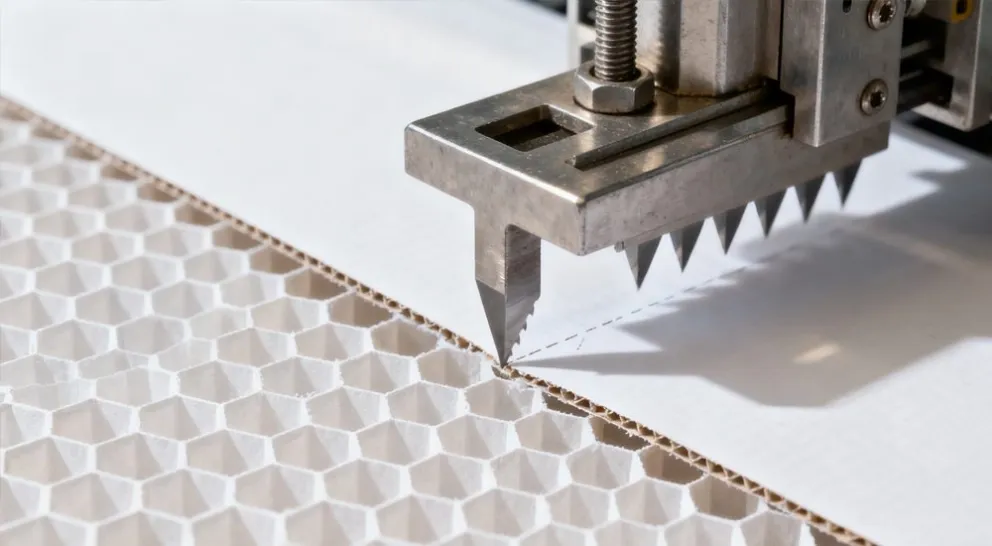
GSM stands for grams per square metre. It measures how much one square metre of the paper weighs, and for honeycomb paper it is the most useful single number a buyer can ask for. A higher GSM means thicker, heavier and stronger paper: the honeycomb cells are made from a heavier sheet, so they resist crushing and absorb more impact. A lower GSM means lighter, thinner paper that is easier to wrap and cheaper to ship. Honeycomb paper is made from kraft paper, so even the lighter grades are tougher than they look. The paper is recyclable and biodegradable in the paper stream, and because it is paper it is light and space-saving: it protects without adding much weight to the parcel, which matters when shipping is charged by weight. For most buying decisions, GSM is the right place to start.
80 GSM: light protection for light products
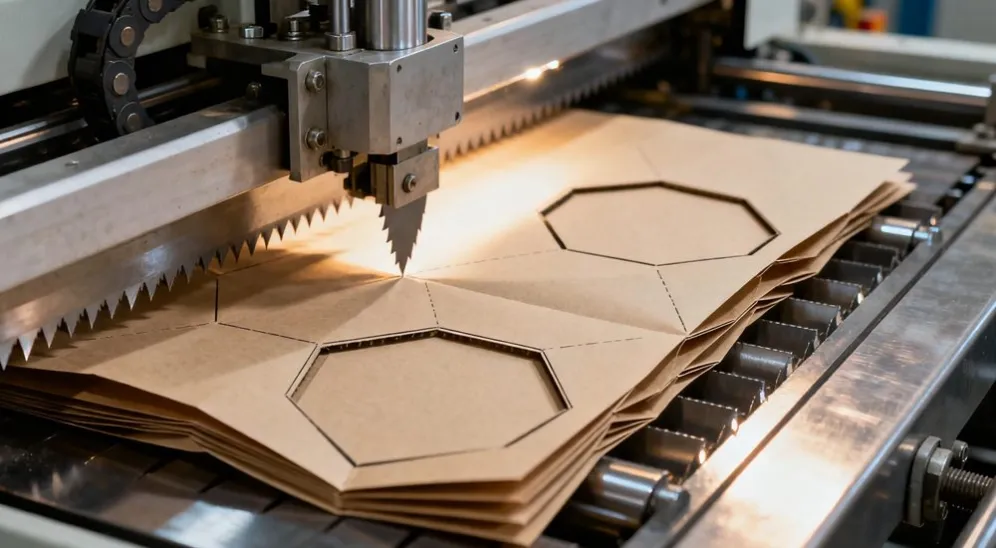
80 GSM is the lightest honeycomb paper in common use. It is thin, flexible and easy to wrap around small items, and it adds almost no weight to the parcel. It suits products that are light and not easily broken: clothing, small items, light gifts and other light goods. It also works as a lining inside envelopes and light mailers, where it adds a little cushioning without bulk. For e-commerce sellers shipping light parcels, 80 GSM keeps packaging costs and shipping weight low. It is not the right choice for glass, ceramics or anything heavy: the cells crush too easily under a heavier load, and the protection runs out before the journey ends. Think of 80 GSM as the wrapping paper for things that mainly need surface protection and a little cushioning, not impact resistance.
100 GSM: the all-round choice for most e-commerce
100 GSM is the middle grade, and for most buyers it is the default. It is strong enough for the majority of e-commerce shipments — cosmetics, home goods, toys and most other e-commerce products — while still light and easy to handle on the packing bench. It wraps well, holds its shape around the product, and fills voids in the box without adding noticeable weight. Because it covers so many product types, it is also the simplest grade to standardise on: one roll or sheet size, one packing routine, fewer stock lines. If a buyer is switching from plastic bubble wrap and does not know where to start, 100 GSM is the grade to trial first. It is the best balance of protection, weight and cost for the average parcel, and it is where most honeycomb paper orders start.
120 GSM and 150 GSM: heavier protection for fragile, valuable and export goods
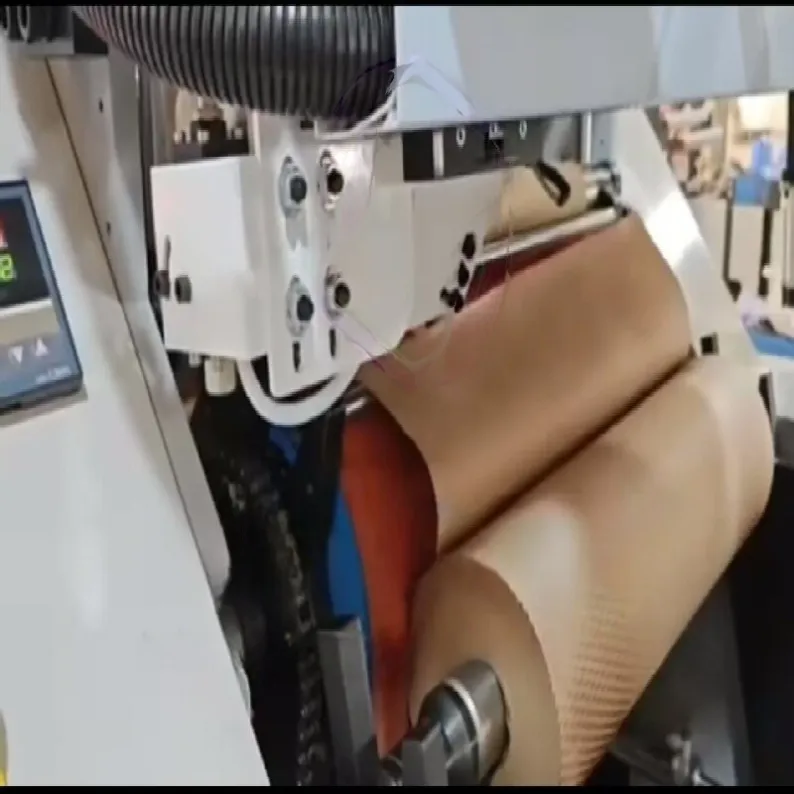
120 GSM is the step up for products that break: glassware, ceramics, electronics, wine bottles and heavier gift boxes. The thicker paper makes stiffer, stronger cells that absorb harder knocks and protect against the drops and stacking that happen in transit. 150 GSM goes further: it is the heavy grade for fragile goods that travel far, for furniture, for export packaging and for heavy industrial products. At this weight the paper protects edges and surfaces during handling and loading, and it holds up under the weight of other parcels stacked on top. Both grades still keep the advantages of paper — recyclable, biodegradable and light compared with foam or moulded plastic — but they trade a little flexibility and cost for much stronger protection. For high-value or fragile lines, the extra cost of the heavier paper is small next to the cost of a damaged product, a return and a lost customer.
200 GSM: extra-heavy duty for industrial and automotive parts
200 GSM is the heaviest honeycomb paper in this guide, and it is a specialist grade. It is made for the loads that lighter papers cannot handle: export shipments, fragile industrial goods, heavy machinery parts and automotive components. The thick paper forms rigid cells that resist crushing under heavy stacking and long-distance handling, and it protects heavy parts that would dent or deform under impact. It is also used where the product itself is heavy and the packaging must carry and cushion that weight without collapsing. 200 GSM is not a general-purpose grade — it is stiffer, heavier and more expensive than the grades below it — so it belongs on the lines that need it, not on every parcel. For buyers shipping heavy or high-value industrial goods, it is the paper that lets them replace foam and plastic cushioning without giving up protection.
How to choose the right GSM: a short buying guide
- Start with the product, not the paper. List what breaks, what scratches and what is heavy: the fragile and heavy items set the grade, and the rest can follow.
- Match the grade to the weight and fragility. 80 GSM for light, soft and small items; 100 GSM for most e-commerce; 120 GSM for glass, ceramics, electronics and wine; 150 GSM for fragile, furniture and export goods; 200 GSM for heavy industrial and automotive parts.
- Consider the journey. Longer routes, export shipping and parcels that are stacked or handled many times need a heavier grade than a short local delivery.
- Test before switching the whole range. Run a trial shipment with the same drops and handling as a normal order, and check the product on arrival before standardising on one grade.
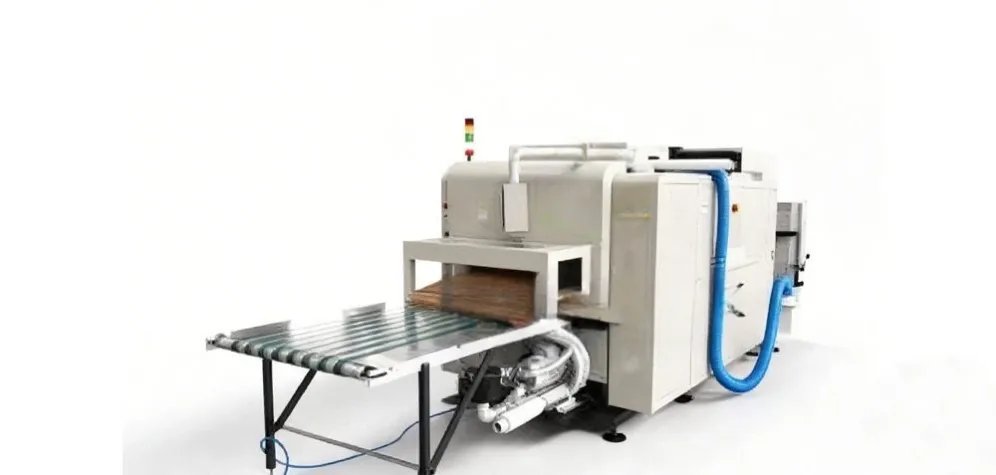
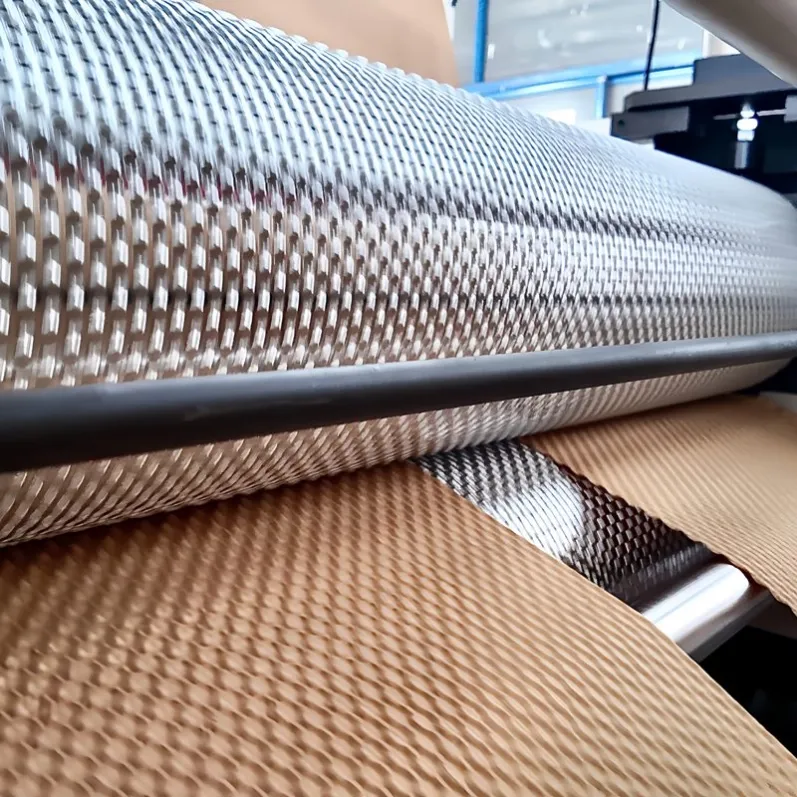
- Think about making it in-house. Honeycomb paper can be bought ready-made, or produced on demand with a honeycomb paper machine, which cuts waste and lets the packing team make the exact length needed — a useful option when volumes grow or when several grades are needed.
Honeycomb paper gives buyers the protection of plastic without the plastic: strong cushioning from a renewable, recyclable material that customers can put in the paper bin. The GSM grade is the main decision, and it is a simple one: match the paper to the product, test it in transit, and standardise on the lightest grade that protects the product properly. Most buyers will land on 100 GSM for the bulk of their range, with 80 GSM for light lines and 120 GSM or above for the fragile and heavy ones.