Why Plastic Packaging Machinery Remains Essential in Modern Logistics
Paper is trending, but it cannot protect every SKU. Why plastic packaging machinery still anchors modern logistics — and the data that proves it.
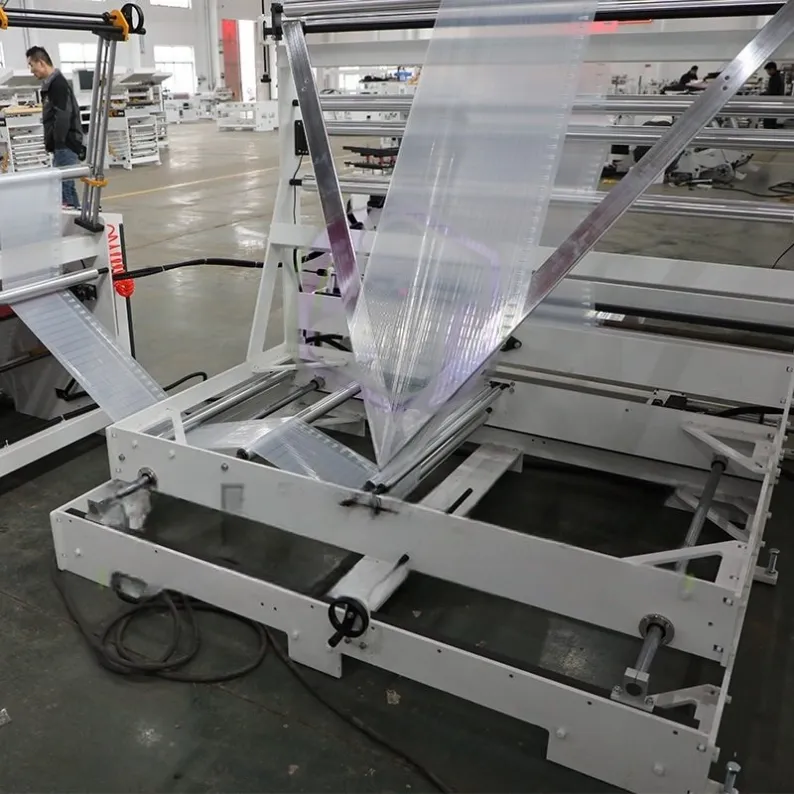
"Returns are rising, and damage control is eating into margins," a logistics director at a 3PL hub said recently. "Paper packaging is trending — but can it handle fragile sensors or automotive spares?" The packaging engineer's answer was confident: not always. That is why plastic packaging machinery — from air pillow to air column and air bubble systems — still anchors modern logistics. In 2025, as sustainability rules tighten and e-commerce volumes surge, plastic systems remain essential for high-risk SKUs where failure costs exceed material savings.
Where Plastic Still Wins
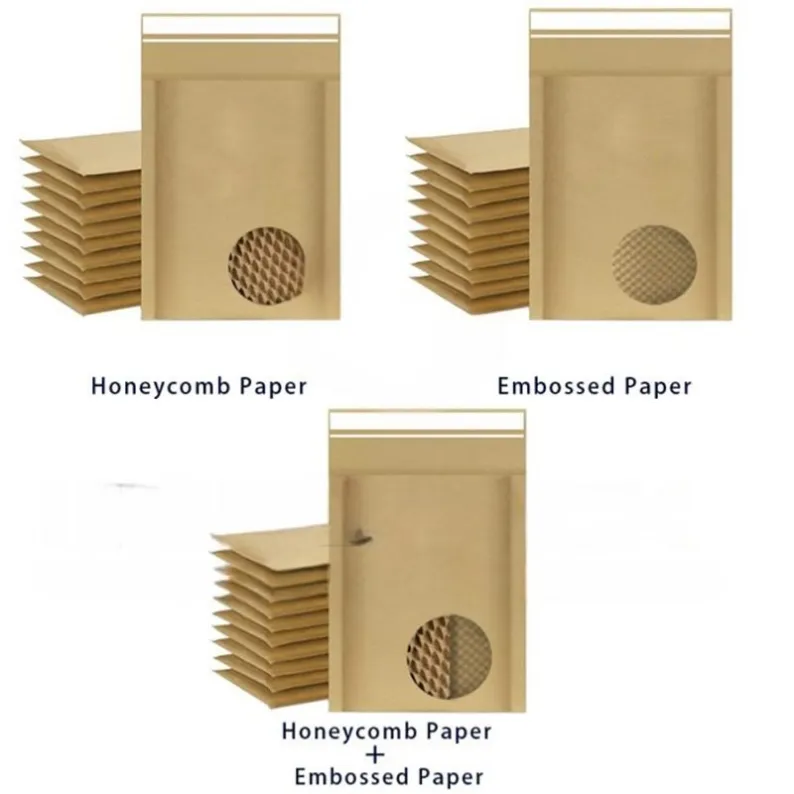
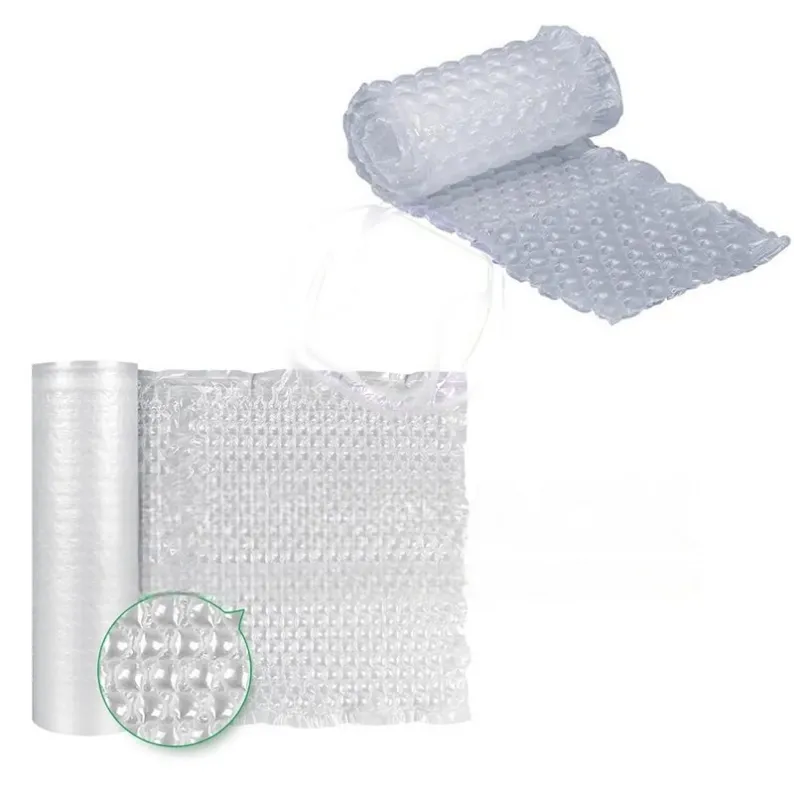
The objective is not to crown a winner; it is to pick the right tool per SKU and route. For fragile or sharp items — electronics, auto spares, glassware and high-value goods — multi-chamber columns and air pillows provide high impact absorption and puncture resistance that paper bubbles and pillows struggle to match at the same weight. Plastic also holds up better on long hauls, with excellent barrier consistency and low humidity sensitivity, while paper needs the right coatings and grammage and careful tuning when moisture swings. Throughput is another edge: very high speeds and quick recipe swaps for pillow size and pressure. Plastic is recyclable in many programmes, while paper wins on simple fibre-stream claims and consumer preference. The smartest strategy is not choosing sides but integrating both: plastic for high-impact protection, paper for mid-risk SKUs.
Materials, Motion and Sealing
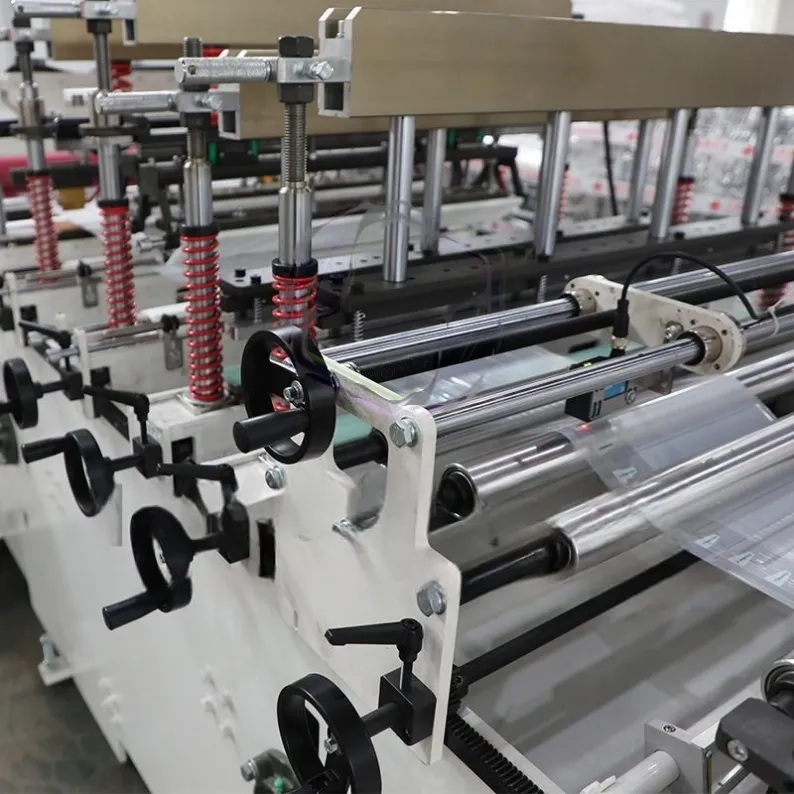
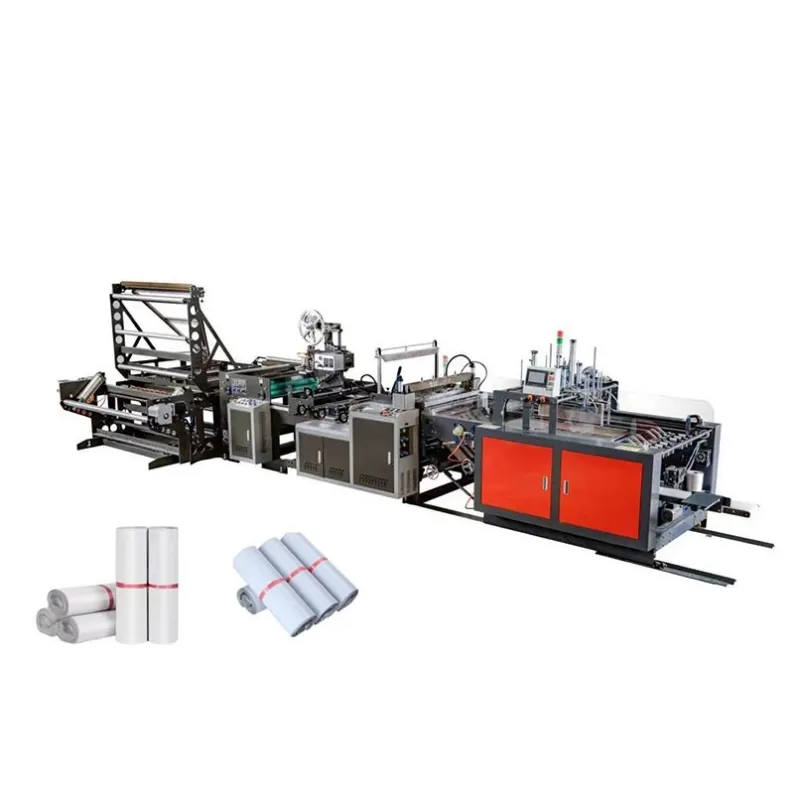
Modern plastic packaging machinery is built around three engineering pillars. Materials and film handling: LDPE, HDPE and MDPE blends, with anti-static, slip or bio-based content options; film paths engineered to minimise nicking; and proportional valves plus mass-flow sensors that keep chamber pressure within ±2–3% of specification. Motion, sealing and controls: all-servo motion for precise web tension, dwell and nip synchronisation; PID-controlled heaters that hold seal temperature bands with auto-compensation for ambient swings; in-line vision and AI quality control that checks seal geometry, bubble and column integrity and registration marks; and operator-first HMIs with recipe libraries and one-touch changeovers. The result against legacy gear: ±0.1–0.2 mm seal placement versus ±0.5 mm on older mechanical lines, intelligent nesting and trim optimisation cutting waste by 2–5%, and stable 92–96% OEE with predictive maintenance.
Process, QA and Reliability
Disciplined cells run a standardised process: verify resin, gauge, COF and tear properties and lock supplier lots; validate recipes for inflation pressure, seal dwell and nip pressure; pilot-test against route vibrations and temperature and humidity swings; baseline OEE at target TAKT; and auto-save heater profiles and QC images for audits. The QC metrics Hangjia Machinery publishes: seal peel above 3.5–5.5 N/25 mm per SKU class, column leak rate at or below 1–2% over 72-hour hold tests, compression recovery of 90–95% after standard load cycles, and dimensional tolerance within ±0.5 mm across lanes. Changeovers stay fast — 10–15 minutes for recipe swaps, under 30 minutes for critical tooling changes — while thermal imaging, drive-load analytics and vibration baselines feed predictive alerts, and safety meets EN/UL norms with dual-channel e-stops, light curtains and interlocks.
Three Operations, Three Results
E-commerce electronics: frequent micro-fractures in tempered glass during last-mile delivery. Switching to an air column bag line with adaptive inflation cut the damage rate by more than 35% and improved customer reviews. Auto aftermarket: heavy metal parts denting in cross-border freight. A thicker-gauge air bubble web with reinforced edge wraps cut claims by about 28% and lifted throughput 15% at pack cells. Lifestyle accessories, hybrid: mixed SKU fragility plus sustainability targets. Paper mailers for apparel and air pillows for fragile SKUs at the same station delivered a balanced ESG story, double-digit DIM savings and stable NPS. The wider data agrees: PMMI's 2024 report puts machinery shipments above the ten-billion level, air pillow systems cut DIM charges by up to about 14% for certain SKU mixes, hybrid portfolios saw about 18% fewer damages in comparative trials, and vision-assisted sealing reduced on-line defects by 20–30% versus manual checks. Typical ROI runs 6–18 months, driven by lower damage claims, optimised DIM and fewer reworks.
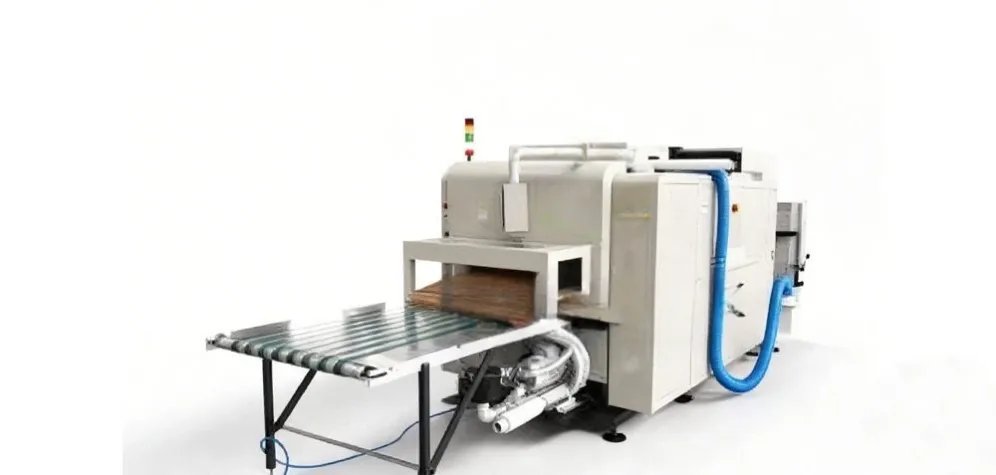
Plastic packaging machinery remains essential because modern logistics runs on predictability: protection that holds, lines that keep pace, and data that proves it. The goal is not paper or plastic; it is fit-for-purpose — and smarter machines that log, learn and protect. To see the equipment behind these numbers, browse Hangjia Machinery's Air Cushion Machines range, or contact us to benchmark your SKUs and volumes.