Why We Build Around Paper Packaging
Why Hangjia Machinery builds its machines around paper packaging: the environmental, commercial and practical reasons behind the choice.
Every machine we design starts from the same question: what should the packaging be made of? For Hangjia Machinery, the answer is paper. It is a deliberate choice, not a default, and it shapes everything from the machines we build to the way our customers pack. Here is why we build around paper packaging.
Paper Is the Material Customers Already Trust
Paper is the packaging material people understand without explanation. They know it can be recycled, they know it comes from a renewable source, and they know what to do with it when the parcel is opened. That familiarity matters: a parcel that arrives in a kraft mailer or a honeycomb wrap feels considered, while plastic film feels disposable in the wrong way.
Surveys consistently show buyers preferring paper-based packaging, and many say the packaging influences whether they order again. When the pack is part of the product experience, paper is the safer choice.
It Performs, Not Just Promises
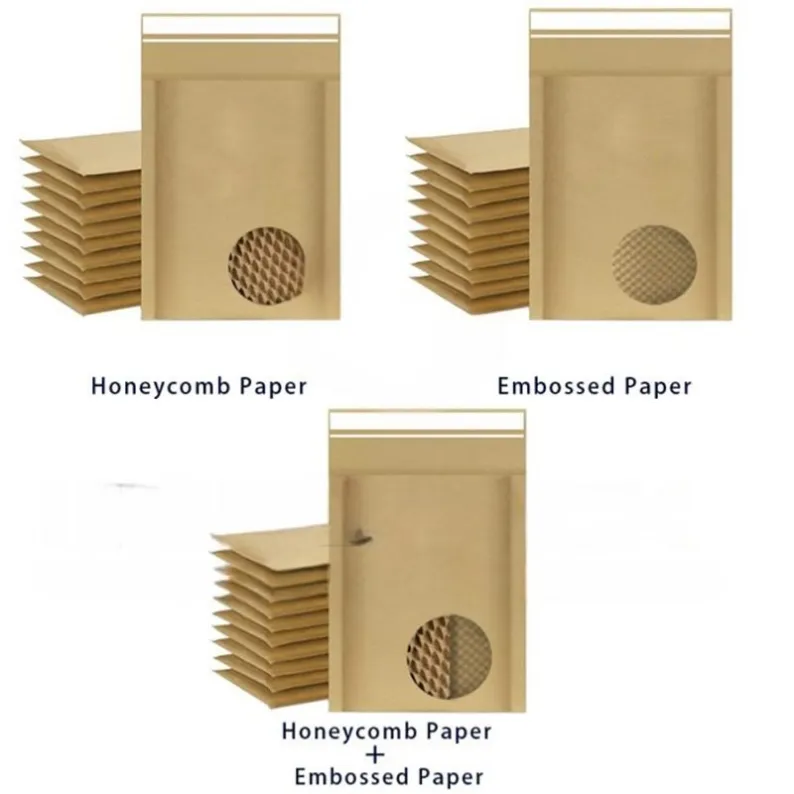
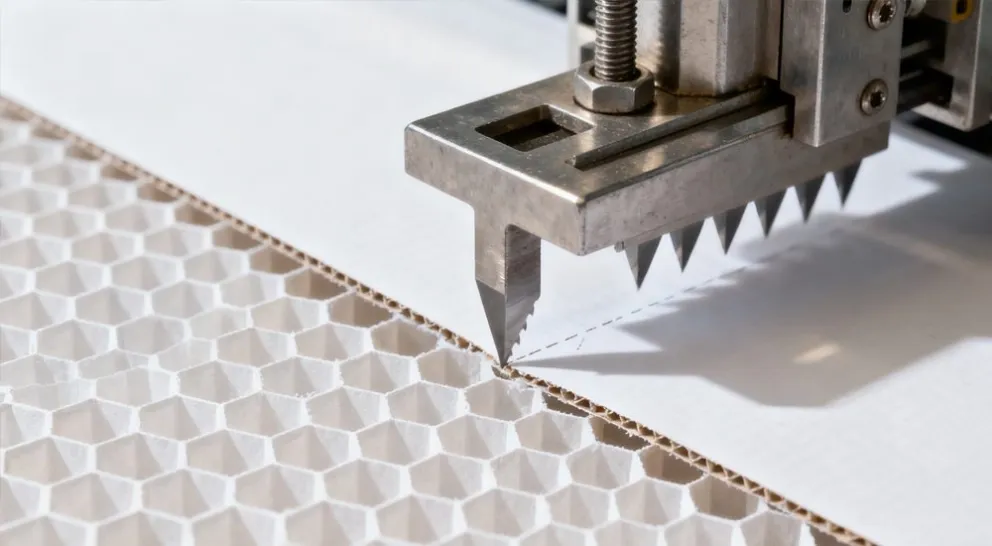
Paper packaging is sometimes treated as the soft option. In practice, the formats we build machines for are engineered to protect. Honeycomb paper expands into a structured cushion that absorbs shocks. Kraft mailers use layered paper for tear resistance. Corrugated padded mailers combine a kraft outer with a protective lining for heavier or more fragile goods. Fan-fold board forms right-sized cartons that stop products moving in transit.
Tuned to the product, these formats match plastic on damage rates — and they do it without the void fill, the static, or the disposal problems that come with plastic.
The Environmental Case Is Straightforward
Paper packaging is recyclable through curbside paper streams, it is made from renewable fibre, and it breaks down if it escapes the recycling loop. Much of the fibre we work with is certified or recycled. That makes compliance simpler too: as plastic taxes and producer responsibility rules tighten, a paper-based operation has less to report, less to pay, and less to explain.
For our customers, that means the packaging decision taken today still makes sense under the rules that arrive tomorrow.
It Makes Commercial Sense
Paper systems are efficient. Paper mailers are light, so they cut dimensional weight and shipping cost. Right-sized cartons use less board and less fill. Machines that form mailers and cushioning on demand remove the need to stock many box sizes, and they run at speeds that keep up with e-commerce peaks — kraft mailer lines at 1,200 to 1,600 mailers an hour, honeycomb lines at 18 to 28 packs a minute.
Paper is also a branding surface. A kraft mailer can carry a logo, a message or handling instructions printed in line, turning every delivery into a reminder of the brand. Plastic mailers can be printed too, but they do not carry the same message.
What We Build, and Why
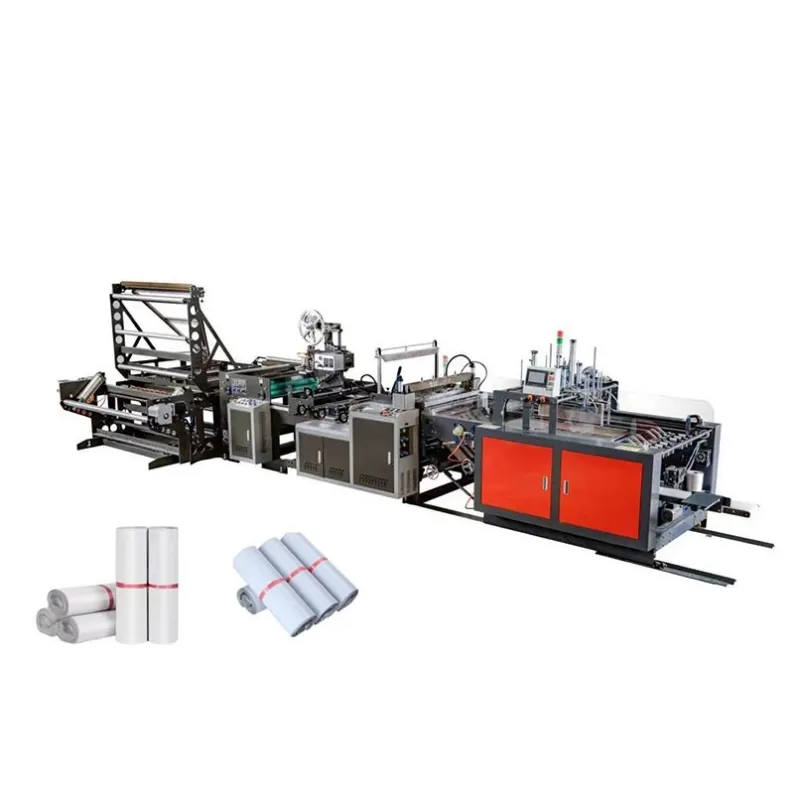
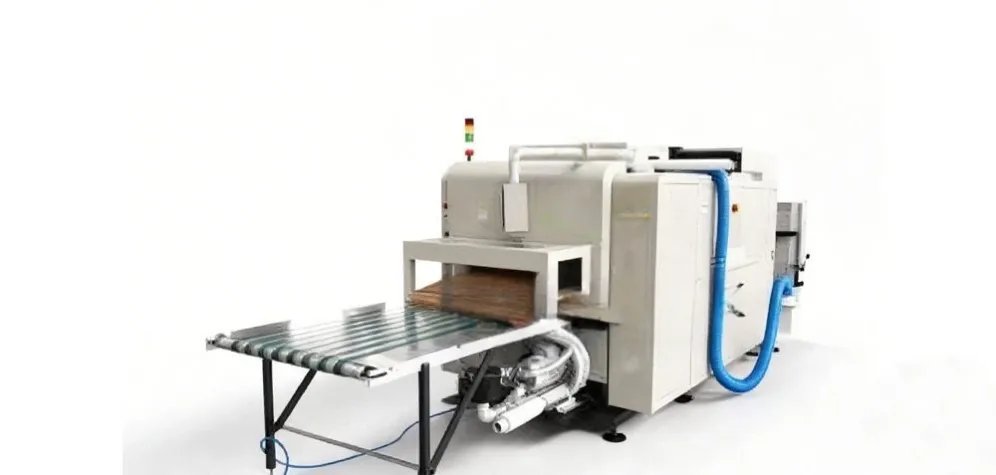
Our range follows the same logic. Kraft paper mailer machines for fast, light e-commerce shipping. Honeycomb paper machines for cushioning that replaces bubble wrap. Fan-fold machines for right-sized cartons. Air cushion machines that use paper-based films where air is still the best protection. Each machine is built to make paper perform — consistently, at speed, and with the evidence to prove it.
Looking Ahead
Packaging is moving in one direction: away from single-use plastic, toward materials that can be recycled, reused or composted. Paper is the material best placed to make that shift, and the machines that form it are getting faster and more flexible every year. We build around paper packaging because it is where the market, the regulations and the customers are all heading.
Frequently Asked Questions
Why paper rather than plastic? Paper is recyclable, renewable and trusted by customers, and it protects as well as plastic when the format is matched to the product. Is paper packaging strong enough? Yes — honeycomb, padded kraft and corrugated formats handle most e-commerce goods, including fragile items. Does it cost more? At volume, right-sized paper packaging is often cheaper per shipment than plastic and oversized boxes.
If you want to see what paper-based packing could do for your operation, browse the Mailer & Envelope Machines range or contact Hangjia Machinery to discuss your products and volumes.